A black pawn on the board of war
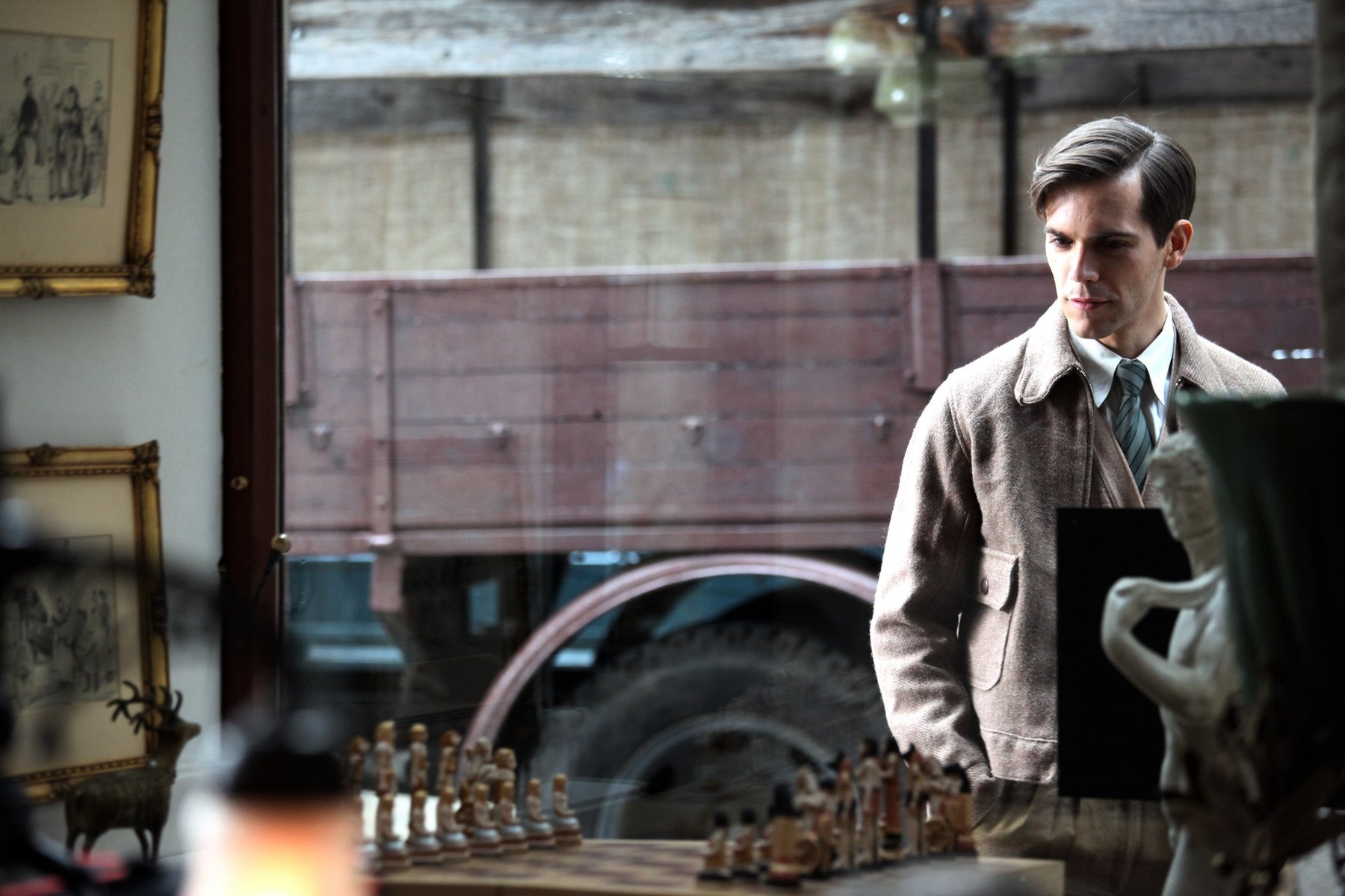
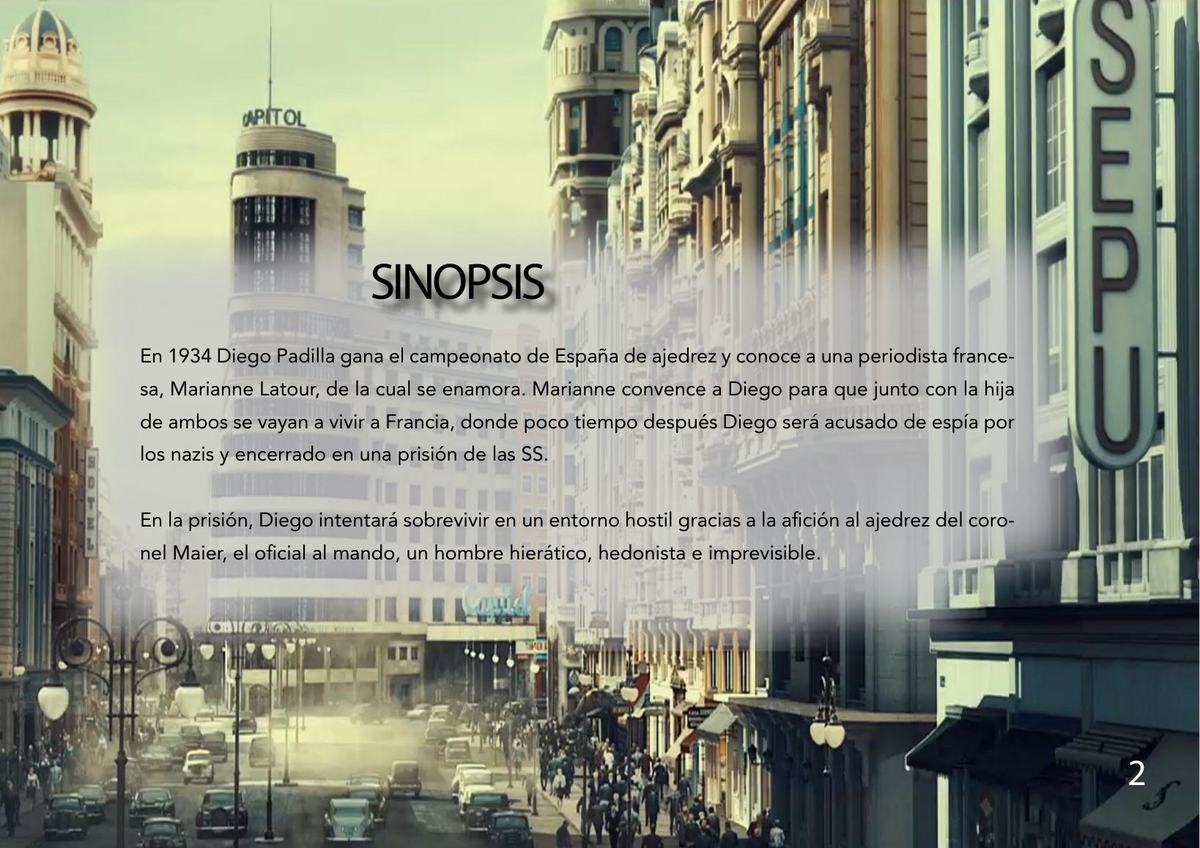
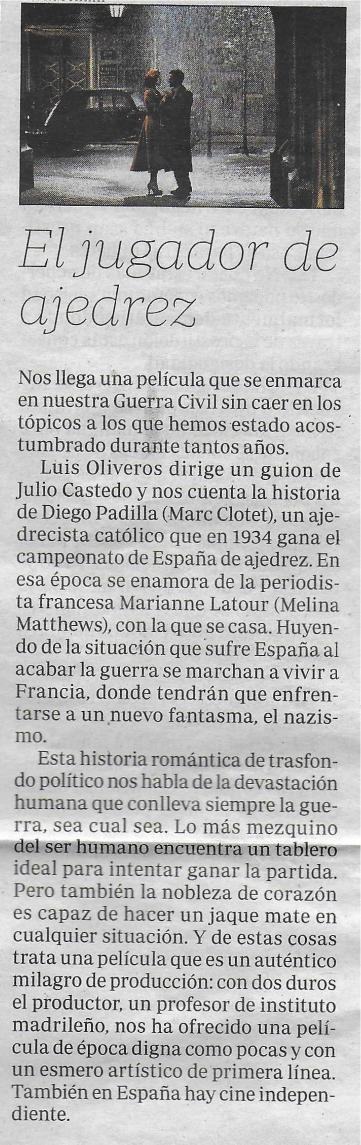
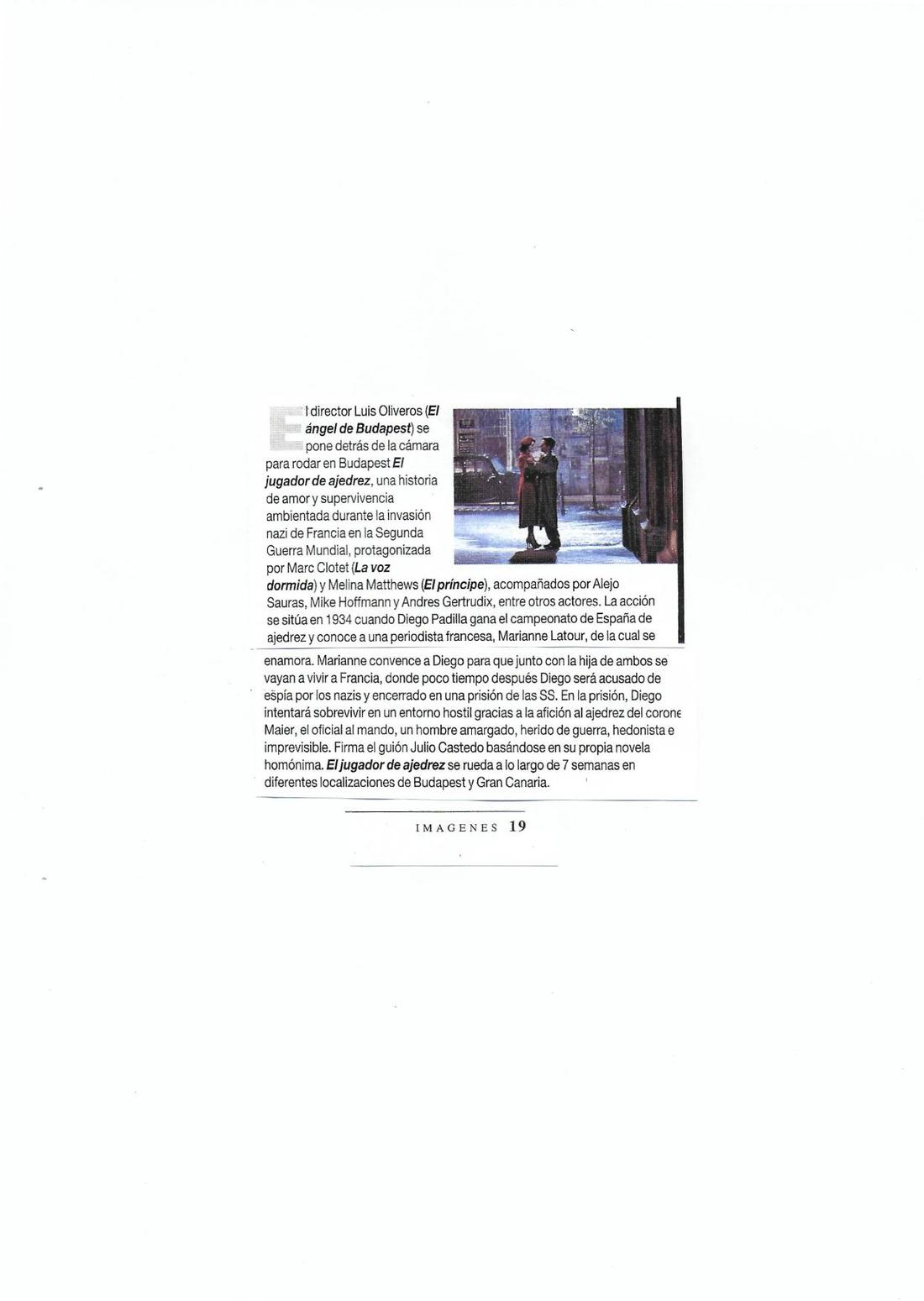
In 1934, Diego Padilla wins the Spanish chess championship and meets a French journalist, Marianne Latour, with whom he falls in love. Marianne convinces Diego for them to move to France together with their daughter, where Diego will soon be accused of espionage by the Nazis and locked away in an SS prison.
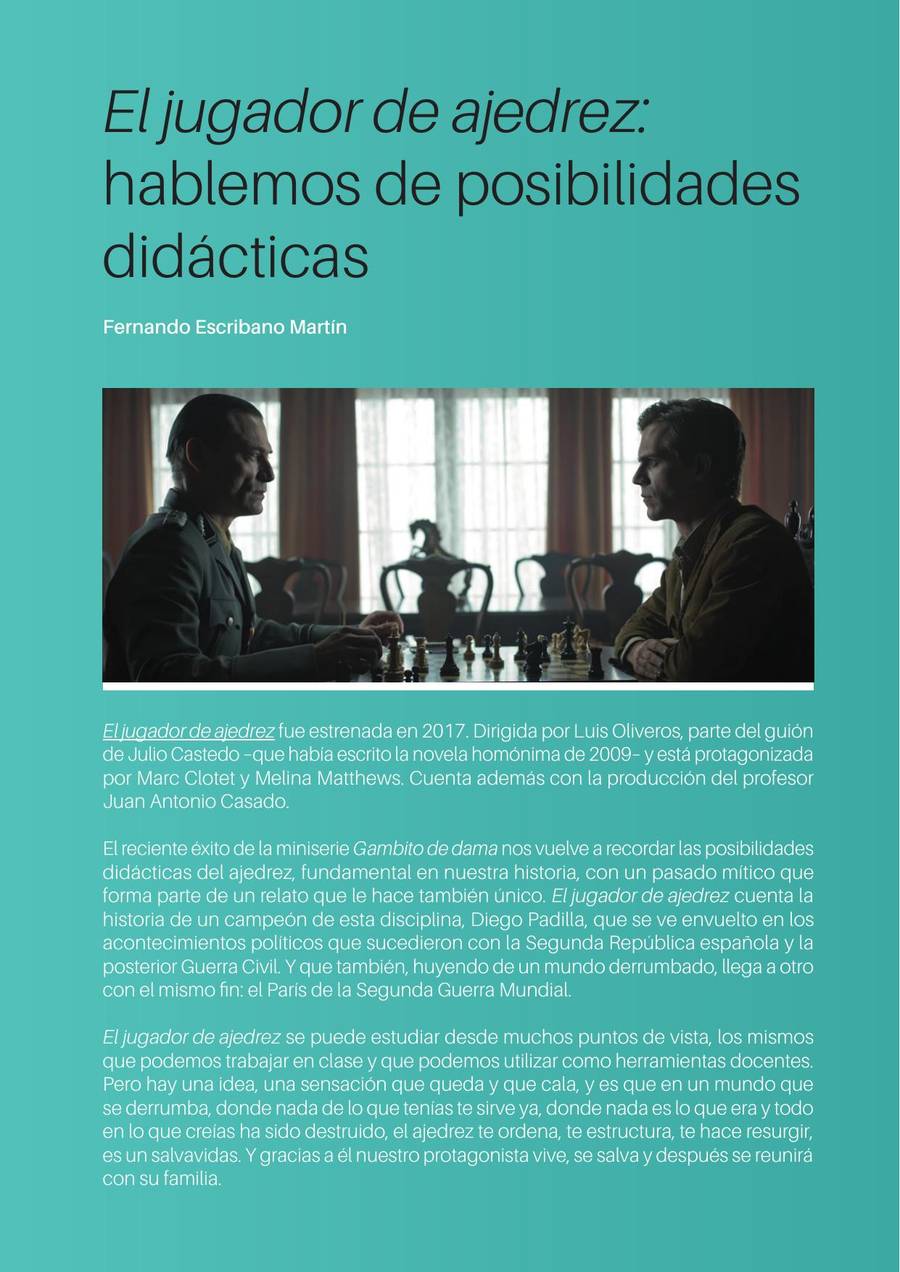
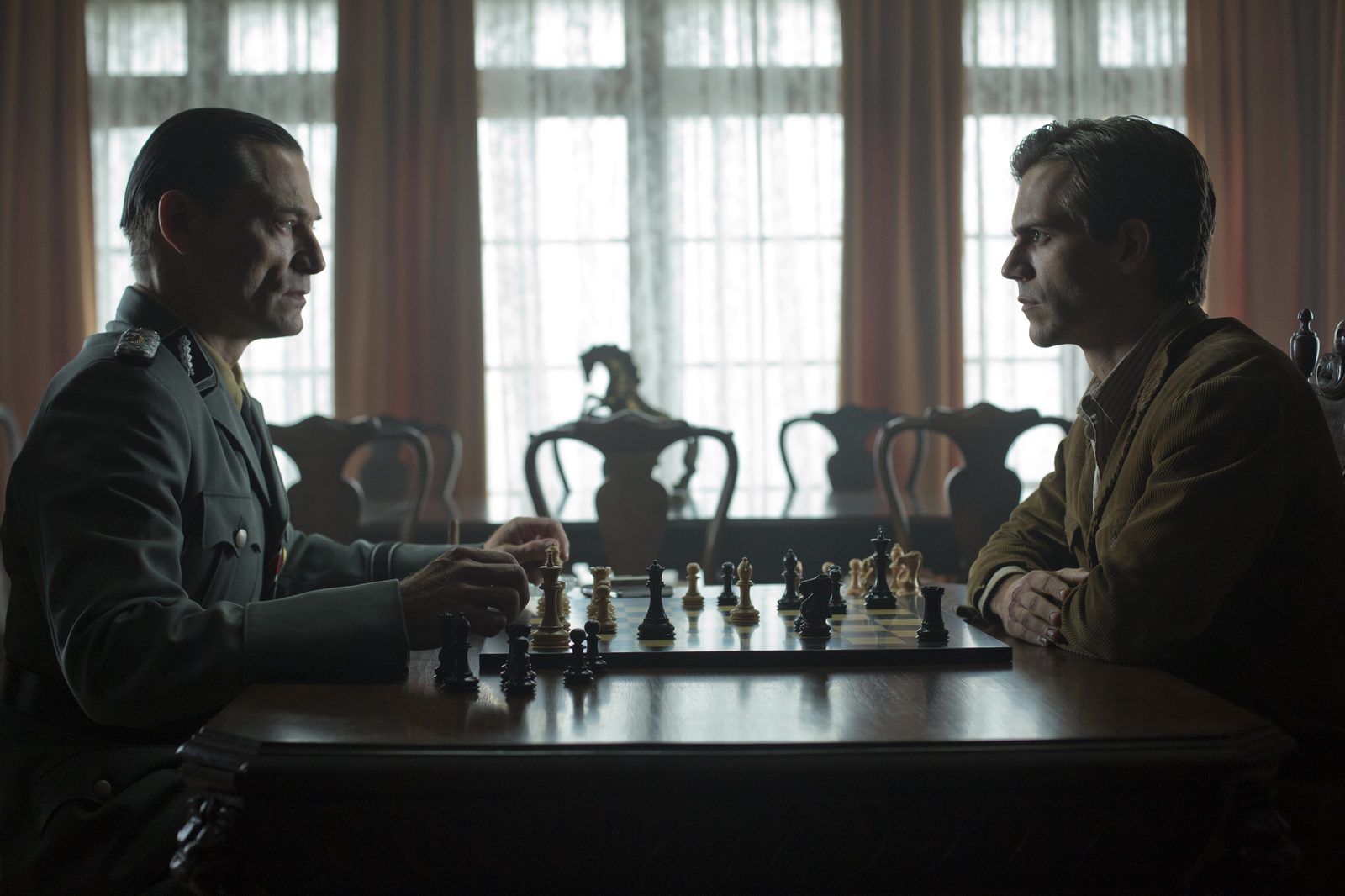
In prison, Diego will try to survive a hostile environment thanks to the passion for chess of Colonel Maier, the officer in command: a rigid, hedonistic and unpredictable man who recognizes in his prisoner a talent he himself never had.
White or black. In that great chess game that is life, almost always, you get to play with the black pieces.
— Luis Oliveros, director's notes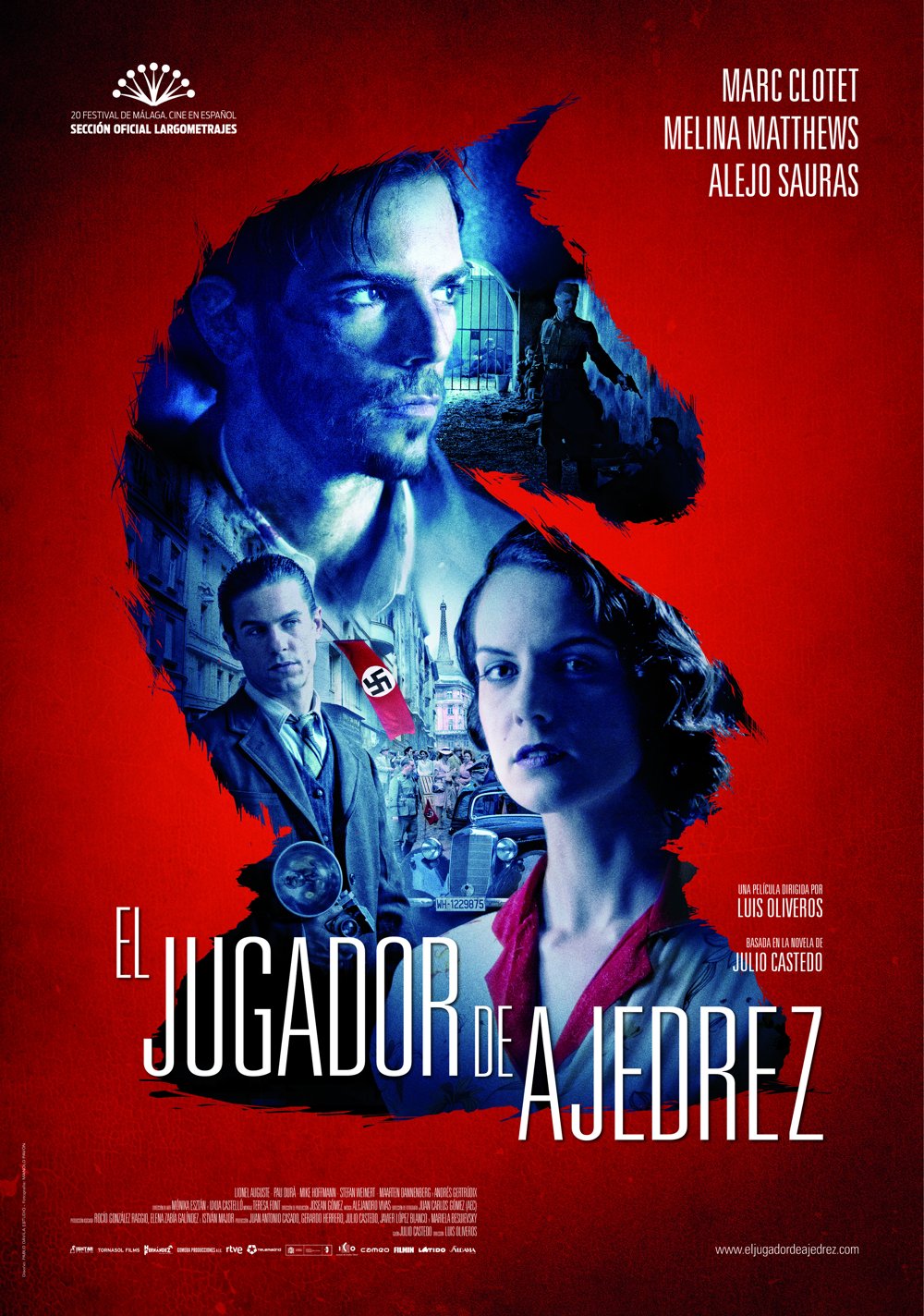
One board, two men, one war
The official Spanish-language trailer for "The Chess Player."
TVE promotion
Television spot broadcast by RTVE for the film's release.
Characters
Pieces on the same board: bishops, rooks and pawns caught in an era that will mark them forever.
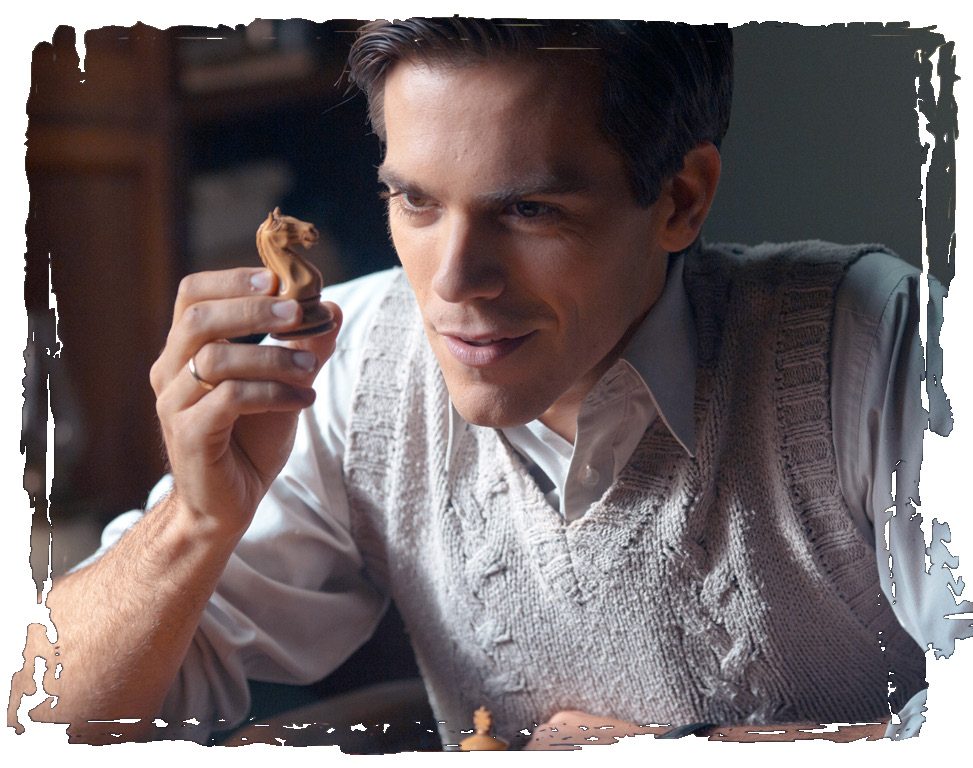
Diego Padilla
Thirty-five years old, professional chess player. Brilliant, analytical intelligence; proper, shy, modest. An enemy of extremism, incapable of standing up against it... until he has no other choice.

Marianne Latour
Thirty years old, Diego's wife. A French journalist: beautiful, sophisticated, ambitious and intelligent. Insecure in verbal confrontations. Progressive, with no political affiliation.
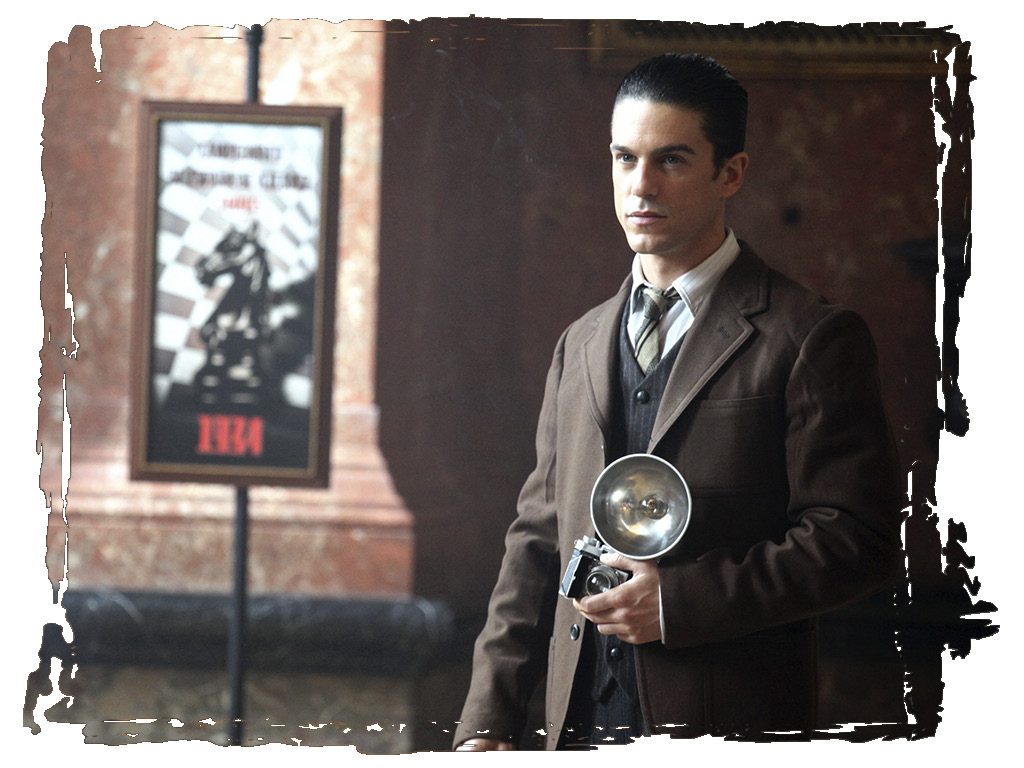
Javier Sánchez
Thirty-five years old. Diego's close friend, a committed socialist. Aggressive, enthusiastic, enterprising and generous; honest and tolerant even with those who don't think like him.
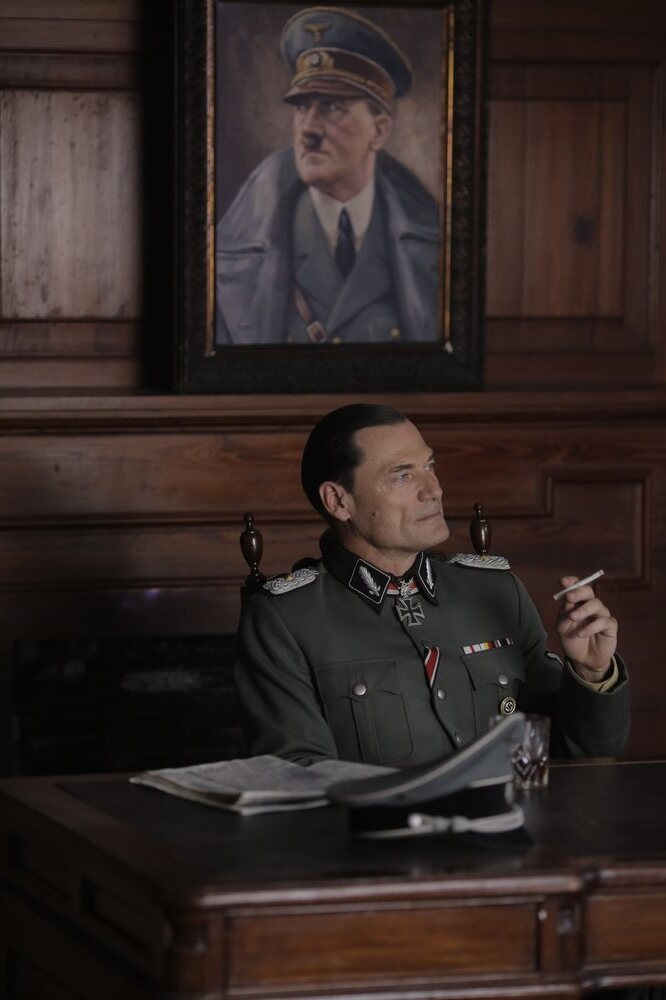
Coronel Maier
Forty-five years old. An SS Nazi colonel, strict and distant with his subordinates, whom he looks down on. Intelligent but not brilliant, he takes pleasure in artistic works but is incapable of creating them himself. His posting at the prison bores him. He recognizes and admires Diego's talent.
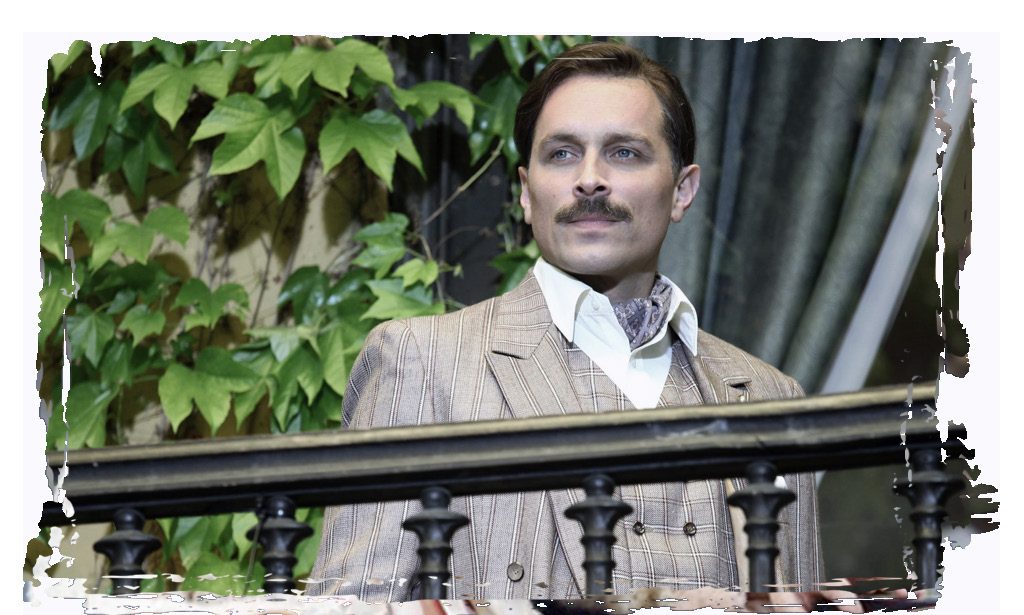
Pierre Boileau
Thirty-five years old. A friend of Marianne's since their youth. A successful industrialist, attractive to women, arrogant and conceited. A Nazi collaborator.
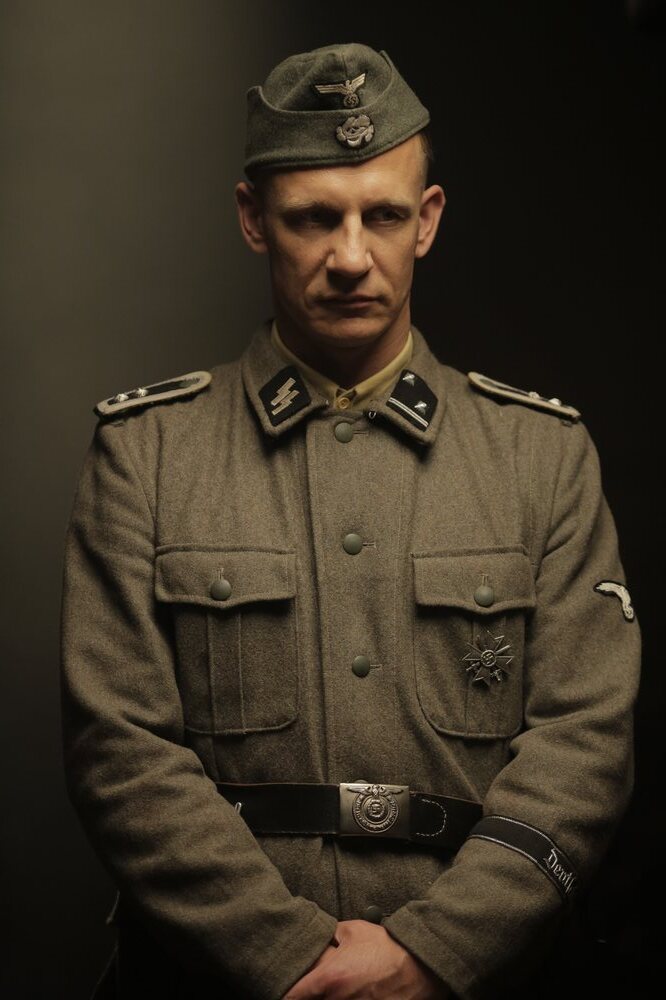
Sargento Kauffman
Twenty-five years old, a Nazi soldier of pure Aryan race. Violent, sadistic, quick-tempered, racist. Feels no remorse.
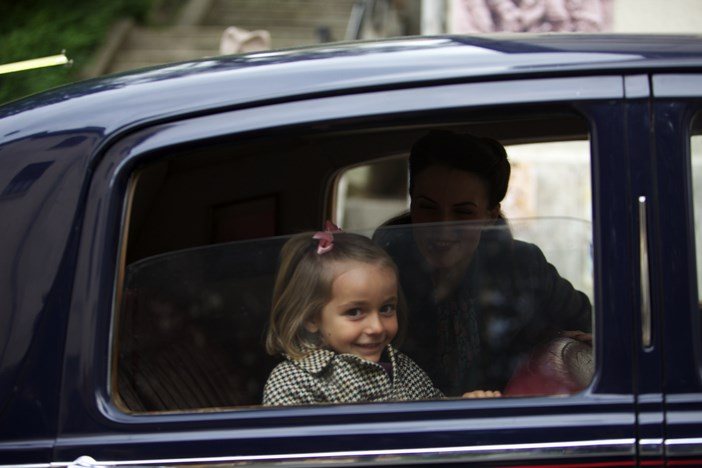
Margaux
Three years old, the couple's daughter. Pretty, calm, sweet and bright. Emotionally closer to her father.
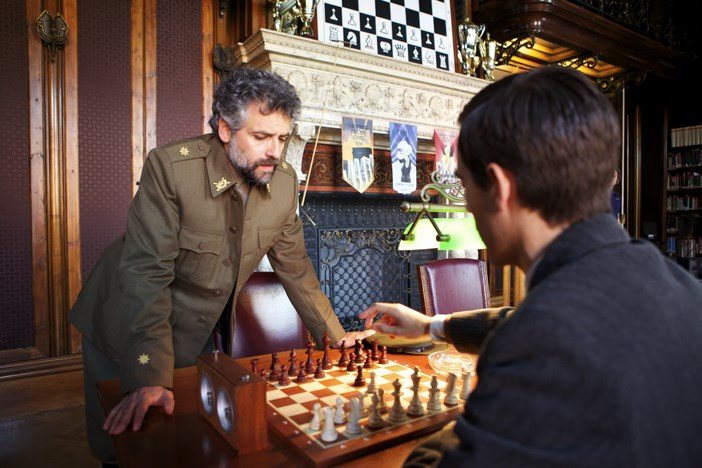
Comandante Hernández
Forty-eight years old. An army commander. A committed Falangist. Very upright and strict in manner. Severe with himself and with others. Respects Diego's intelligence.
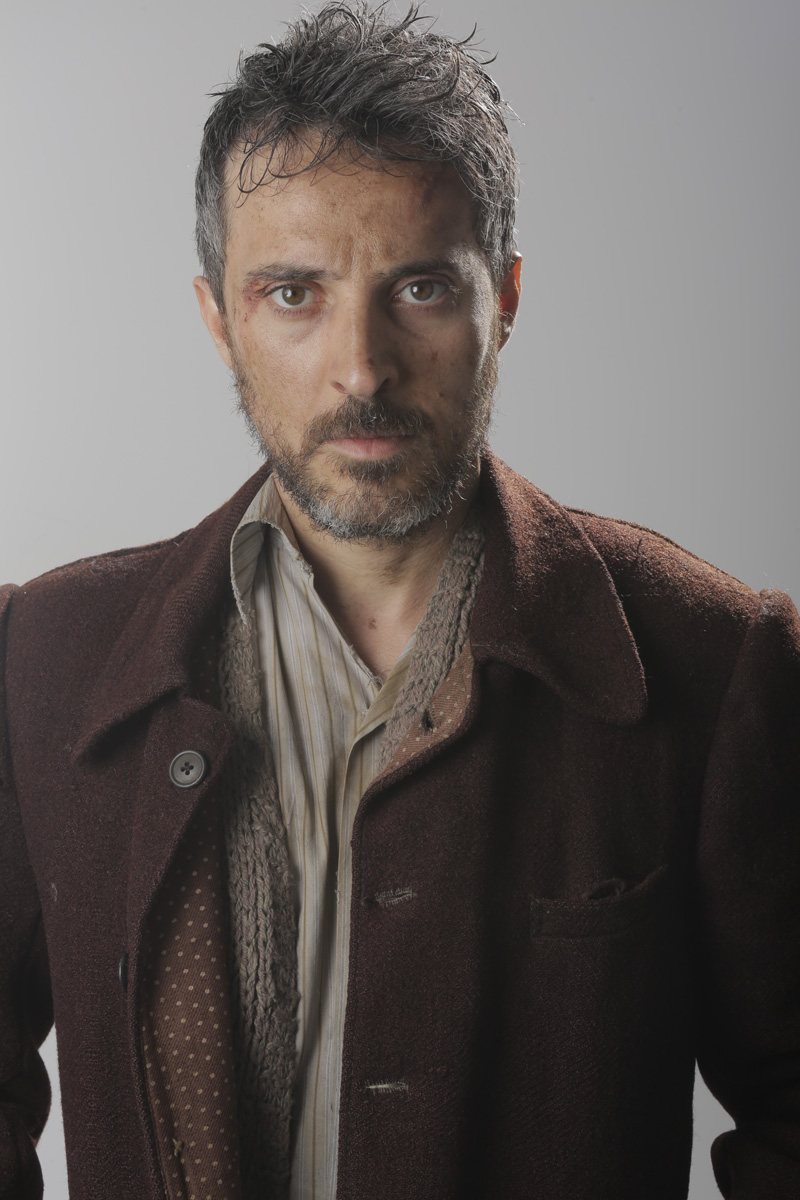
Pablo Colomer
Forty years old. A Spanish Republican prisoner. Idealistic, generous, a dreamer, but sensible and realistic in critical moments.
Full cast list
The crew
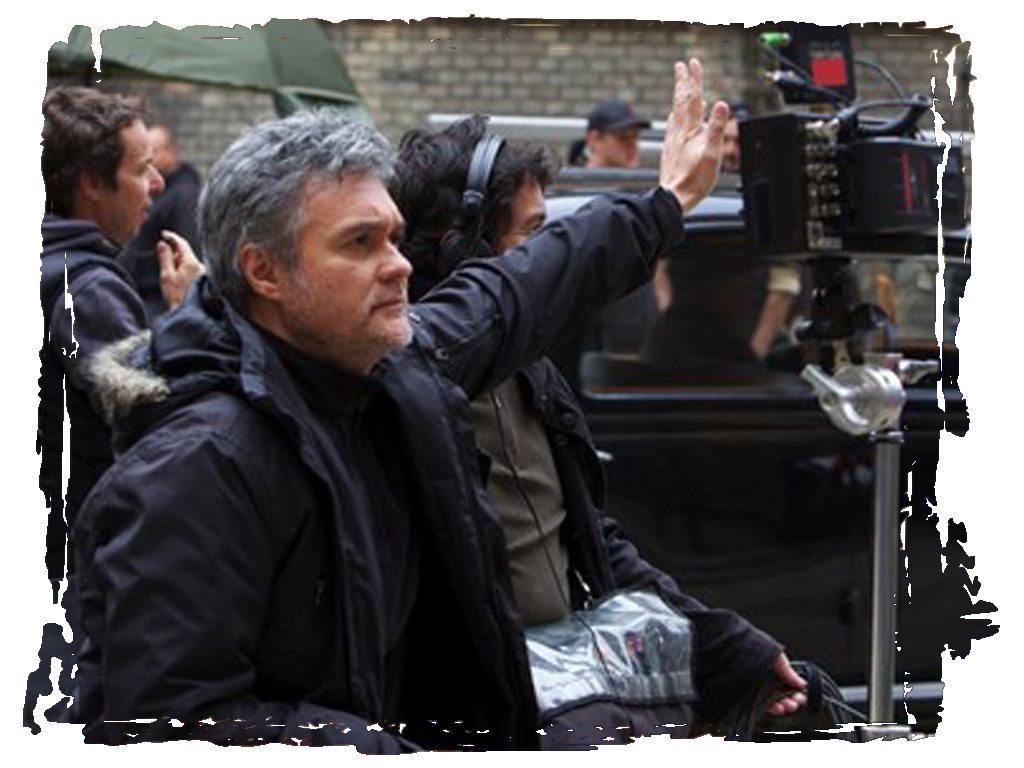
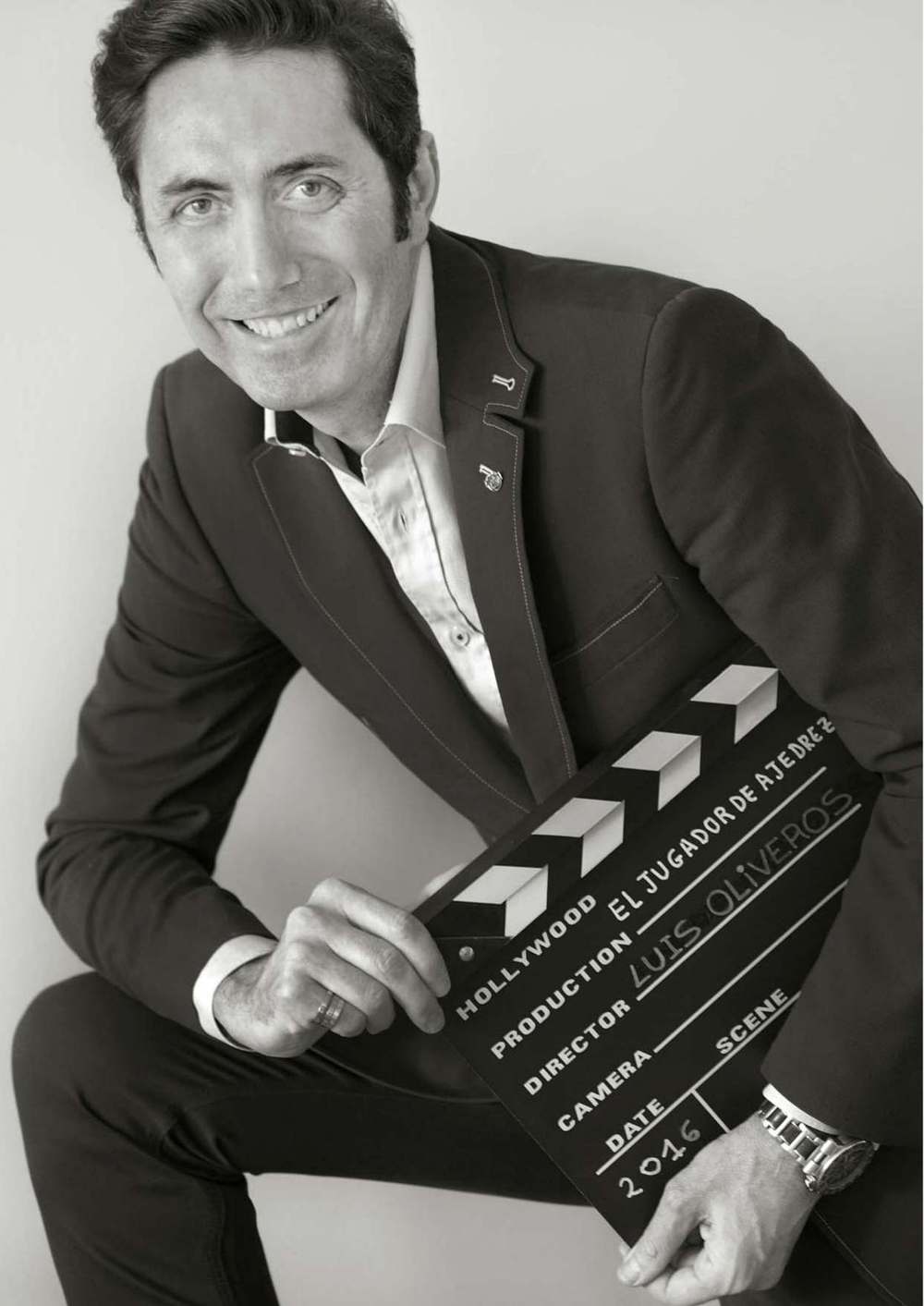
Luis Oliveros
He worked as an assistant director on more than 30 films, television series and commercials for directors such as Fernando Colomo, Vicente Aranda and Antonio Mercero.
His feature debut is "Pata negra," an adventure comedy starring Gabino Diego. He has also directed several episodes of series such as "Manolito Gafotas" and "Las aventuras del capitán Alatriste," as well as the TV movies "El secuestro de Anabel Segura" and "El Ángel de Budapest," winner of the 2012 Ondas Award for best miniseries.
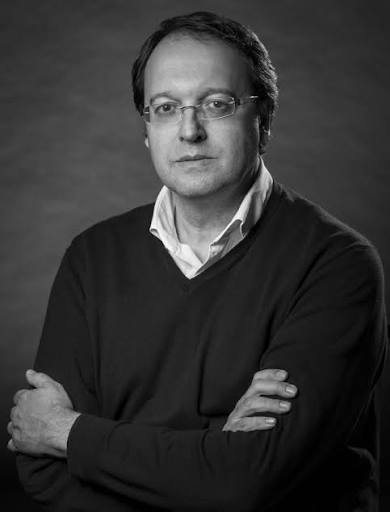
Julio Castedo
Julio Castedo Valls (Madrid, 1964) holds a degree in Medicine and specializes in Neuroradiology. He combines his medical career with literature. To date he has published two essays, "Las cien mejores películas del siglo XX" and "Buen uso del lenguaje en los textos científicos y los informes clínicos," a short story collection, "La máscara de mi piel," and a collection of short plays, "Terencio." He is also the author of the novels "Apología de Venus," "El fotógrafo de cadáveres" and "Redención," all of which have won critical acclaim.
His first novel was "El jugador de ajedrez" (reissued by Booket in 2017), whose film adaptation reached screens in 2017. In addition to writing the screenplay, Julio Castedo was one of the film's producers alongside Gerardo Herrero and Juan Antonio Casado. His most recent books, "El Renegado" and "Rey Don Pedro," were published in 2021.
White or black
White or black. In that great chess game that is life, almost always, you get to play with the black pieces.
"The Chess Player" shows us the horror of a conflict that gave rise to one of the most dramatic and terrible events humanity has faced. Every character in the film is merely a piece on that immense board that was World War II Europe, and through our protagonist, a simple black pawn, we discover the individual, even personal, dimension of war.
Like the humble peasant played by Anthony Quinn in "The 25th Hour," the innocent child of "Empire of the Sun," or the wonderful teacher of "This Land Is Mine," our protagonist, Diego Padilla — a good man, an enemy of extremism and violence, and a brilliant chess player — will be driven to search within himself for the strength to survive the misery and barbarity of conflicts he barely understands. Like bishops, rooks and pawns, our characters find themselves caught up in an era that takes them by surprise and marks them forever.
"The Chess Player" is a realistic film, with a simple and restrained visual style but a profound and stirring message. Through its characters, the viewer will recognize the faces of cruelty, aggression, selfishness, greed and corruption, but also those of love, friendship, sacrifice and solidarity, revealing to us the duality of the human condition.
But above all, they will live through a love story.
— Luis OliverosThe soundtrack
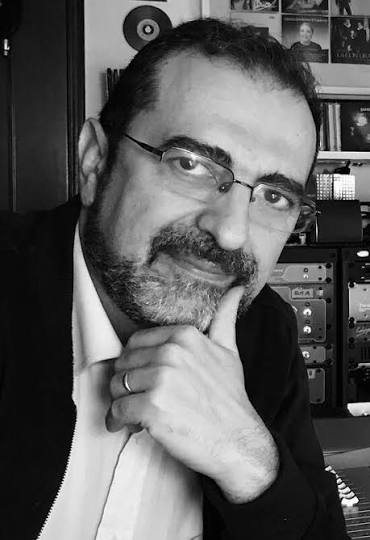
Alejandro Vivas
Alejandro Vivas Puig is a musician, composer, arranger and artistic director, born in Almería. Trained in Madrid in guitar, counterpoint, fugue and harmony, and a graduate in Experimental Psychology from the Universidad Complutense, he combines composing with music production, the artistic direction of concerts and teaching.
His score for "The Chess Player" was a finalist at the World Soundtrack Awards in Ghent among 154 films from around the world, won the MundoBSO Award and the Jerry Goldsmith Award for best Spanish soundtrack, was recognized at the Global Music Awards in Los Angeles and at the IFMCA, and won the Platinum Remi Award at WorldFest Houston. He had previously scored "La Conjura de El Escorial," awarded the MundoBSO and the Goldspirit at the Úbeda Film Music Festival. He has worked with orchestras such as the Paraguay Symphony, the Metropolitana de Madrid and the Budapest Symphony Orchestra, and is currently artistic director of the Grupo Concertante Talía.
Main Title
End Credits
Making of — Budapest Symphony Orchestra
Orchestra rehearsal
The Budapest Symphony Orchestra rehearsing Alejandro Vivas's score.
Studio recording
Recording session for the solo cello on the soundtrack.
Making of — Alejandro Vivas
Composer Alejandro Vivas talks about creating the soundtrack for "The Chess Player."
The producer

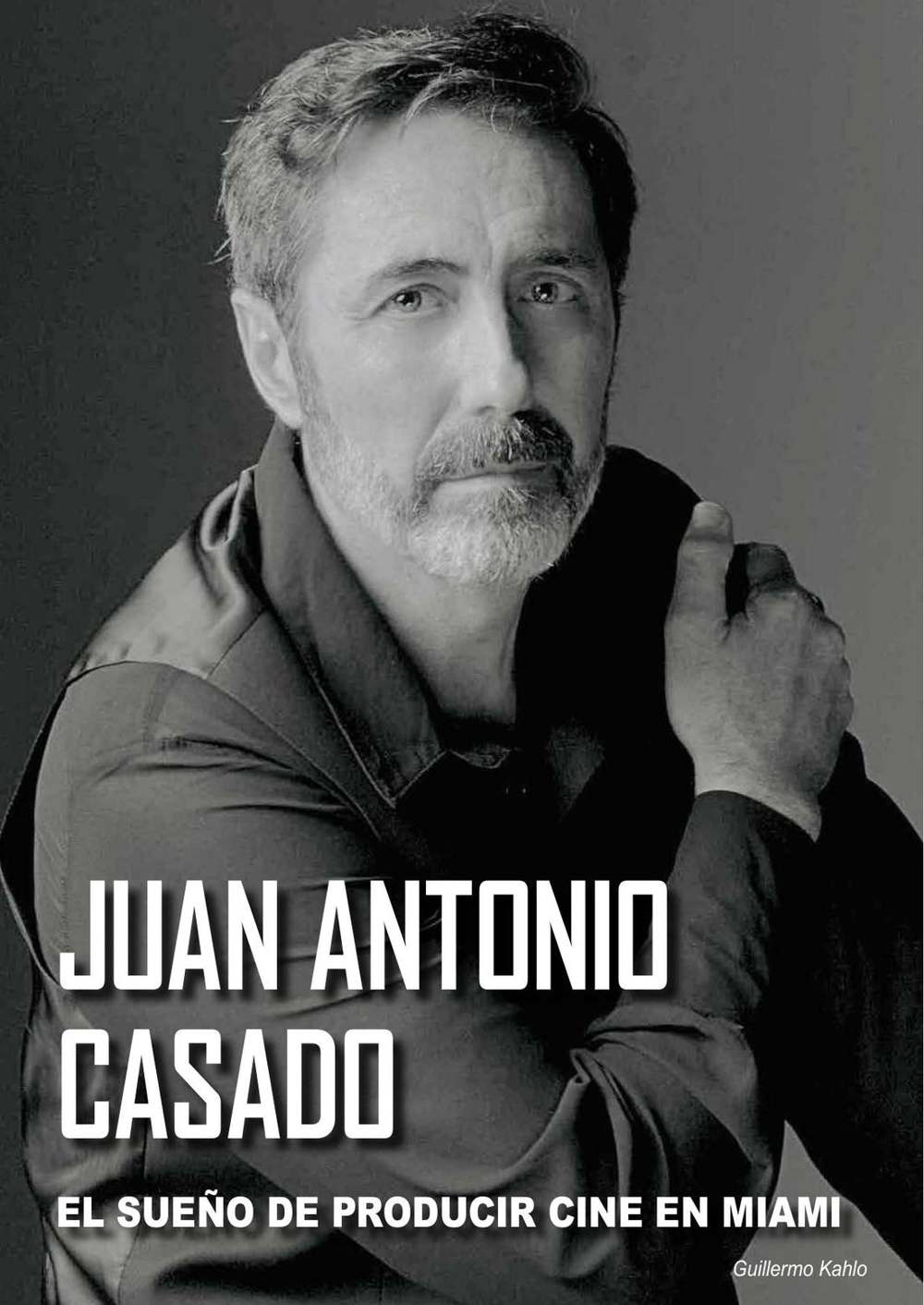
Juan Antonio Casado
Head of the production and management department at Ishtar Films, where he coordinates the development, financing and execution of national and international audiovisual projects.
A graduate in English Philology, he has a broad and well-established career in production for theatre, radio, television and film. He has worked on feature films such as The Chess Player (2017), El Cosmonauta (2013) and La Conjura de El Escorial (2008), as well as collaborating on other film projects including Las Piedras de David, La Orden, 8 Meses and Borderland.
On the institutional side, he has served as Technical Advisor for the Spanish Ministry of Culture and was a Liaison Officer for the European Commission's Programme 2000. He is a member of the Advisory Committee of the First Team International Film Training Foundation.
He currently develops international projects between Spain, Panama, India and the United States, including six feature films for the Lifetime network (Disney & Hearst), and teaches film production at U.S. universities — Rice University, Florida International University, Barry University and the University of Miami.
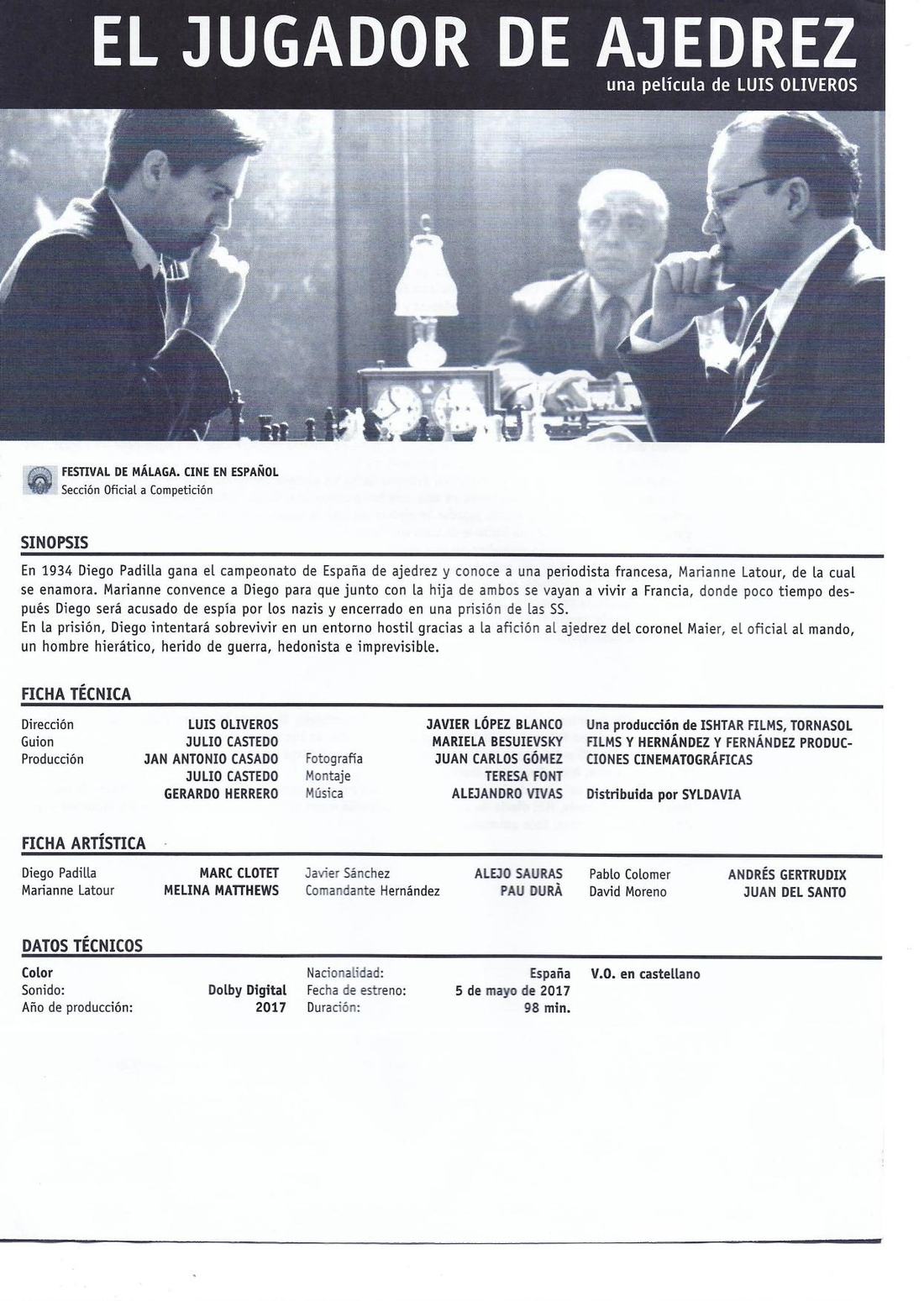
Production dossier
Synopsis, cast list, biographies of the cast and crew, director's notes and the complete technical credits for "The Chess Player."
Press, awards and festivals
Selected at more than thirty international festivals since its 2017 release.
What the critics say
A beautifully moving story that reaches the eyes straight from the heart.
Eduardo Torres-Dulce, ExpansiónIts narrative precision and excellent period setting stand out.
Luis Roca, La ProvinciaWell told, with good pacing and fitting performances.
La RazónIt offers an incredible staging, with period sets, costumes, props and performances.
Cine y TeleA film that speaks to us about life.
Andrés Arconada, Libertad DigitalFestivals
Selected awards
WorldFest Houston
Best Historical Film · Best Lead Actor (Marc Clotet) · Best Original Score (Alejandro Vivas)
Málaga Film Festival
Selected for the Official Feature Film Selection.
World Soundtrack Awards, Ghent
Alejandro Vivas, finalist among 154 films from around the world.
Golden Oniros Film Awards, Aosta (Italy)
Best Film.
Goya Awards & Gaudí Awards
Nominated for best film, acting and original score.
Also: London Independent Film Awards, Calcutta Intl. Cult Film Festival, Out of the Can Film Festival (London), Global Music Awards (Los Angeles), MundoBSO Awards, IFMCA, Aurora & Sunlight International Film Festivals (Berlin), International New York Film Festival, and the Jerry Goldsmith Award for best Spanish soundtrack — all for Alejandro Vivas's music.
Television
TVE 1 News
Coverage of the film's release and festival run on TVE 1's news broadcast.
TVE 2 News
News feature about the film on TVE 2.
"Pasapalabra" game show (Antena 3)
Part of the cast invited onto Antena 3's game show "Pasapalabra."
"Pasapalabra" game show (Antena 3)
A second appearance on "Pasapalabra," with host Roberto Leal.
TVE 1 News (second video)
Further coverage of the film on TVE 1's news broadcast.
Málaga Film Festival
Marc Clotet and Melina Matthews, overlooking Málaga's harbour.
Versión Española 1 (La 2)
Part 1
Episode of "Versión Española" (La 2) devoted to the film.
Part 2
Continuation of the "Versión Española" broadcast, with host Cayetana Guillén Cuervo.
Part 3
Continuation of the "Versión Española" broadcast.
Onda Cero — Isabel Gemio
"Te doy mi palabra," Isabel Gemio's programme on Onda Cero. Two days of interviews about the film.
May 13, 2017
November 11, 2017
Print press
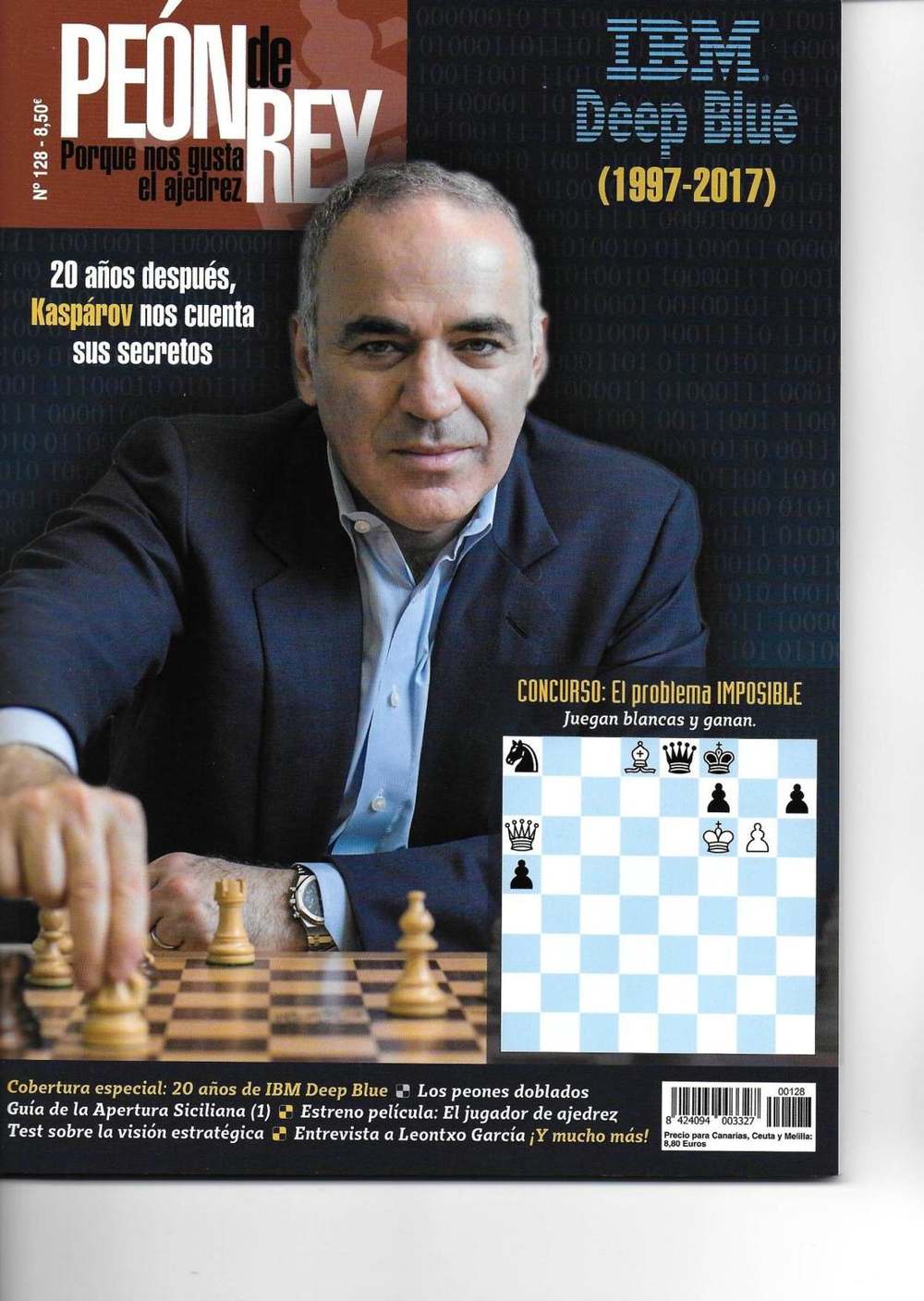
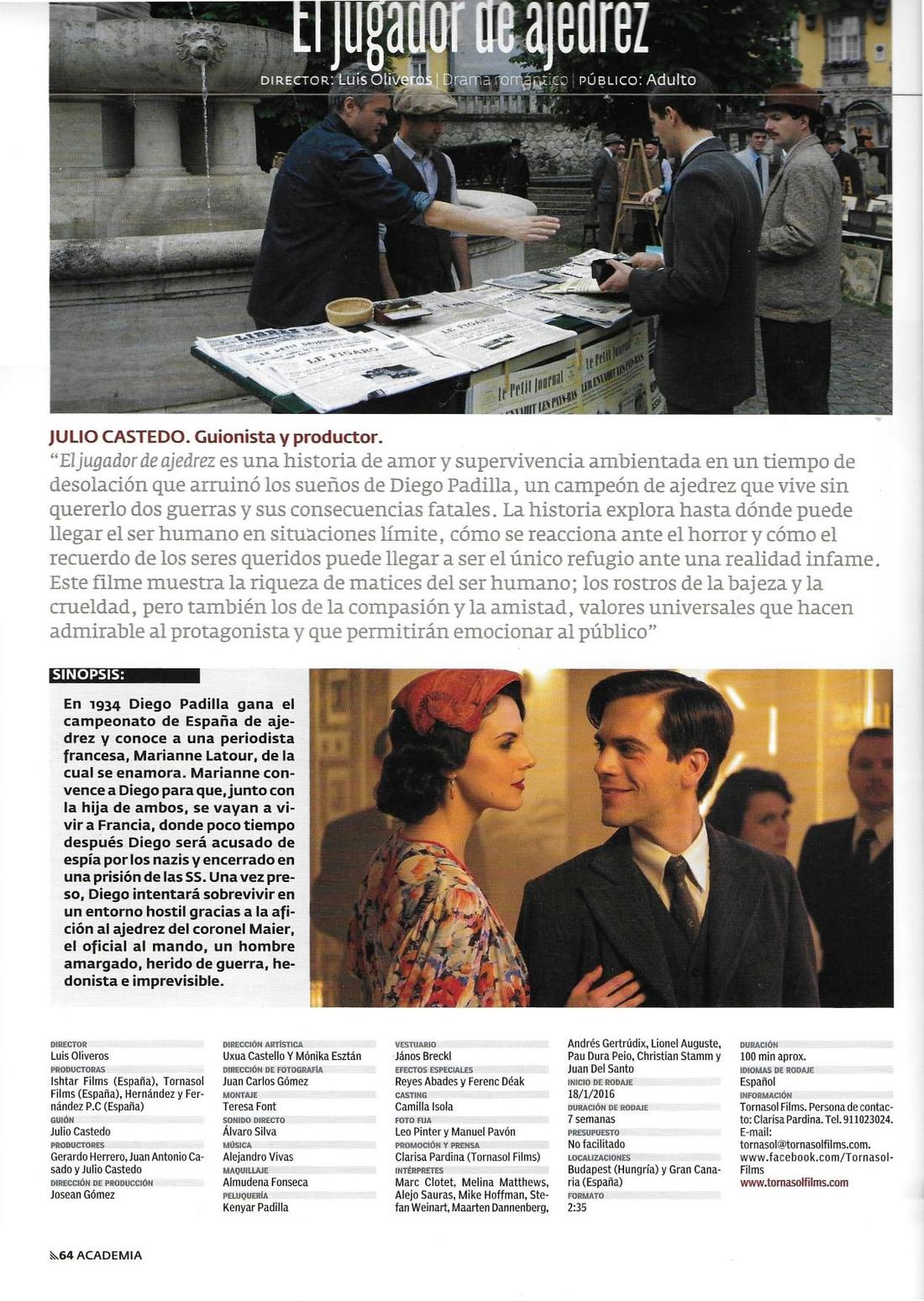
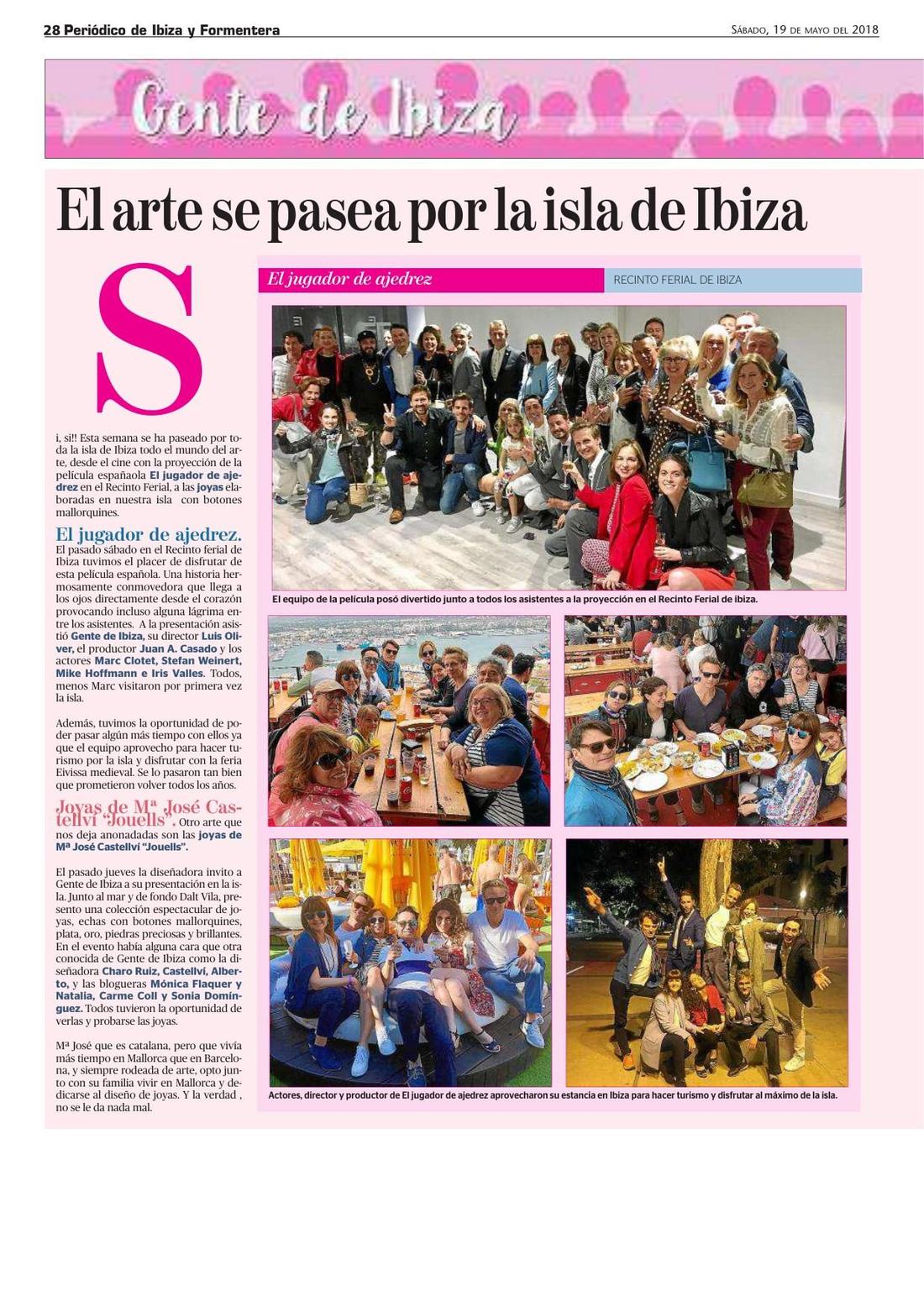
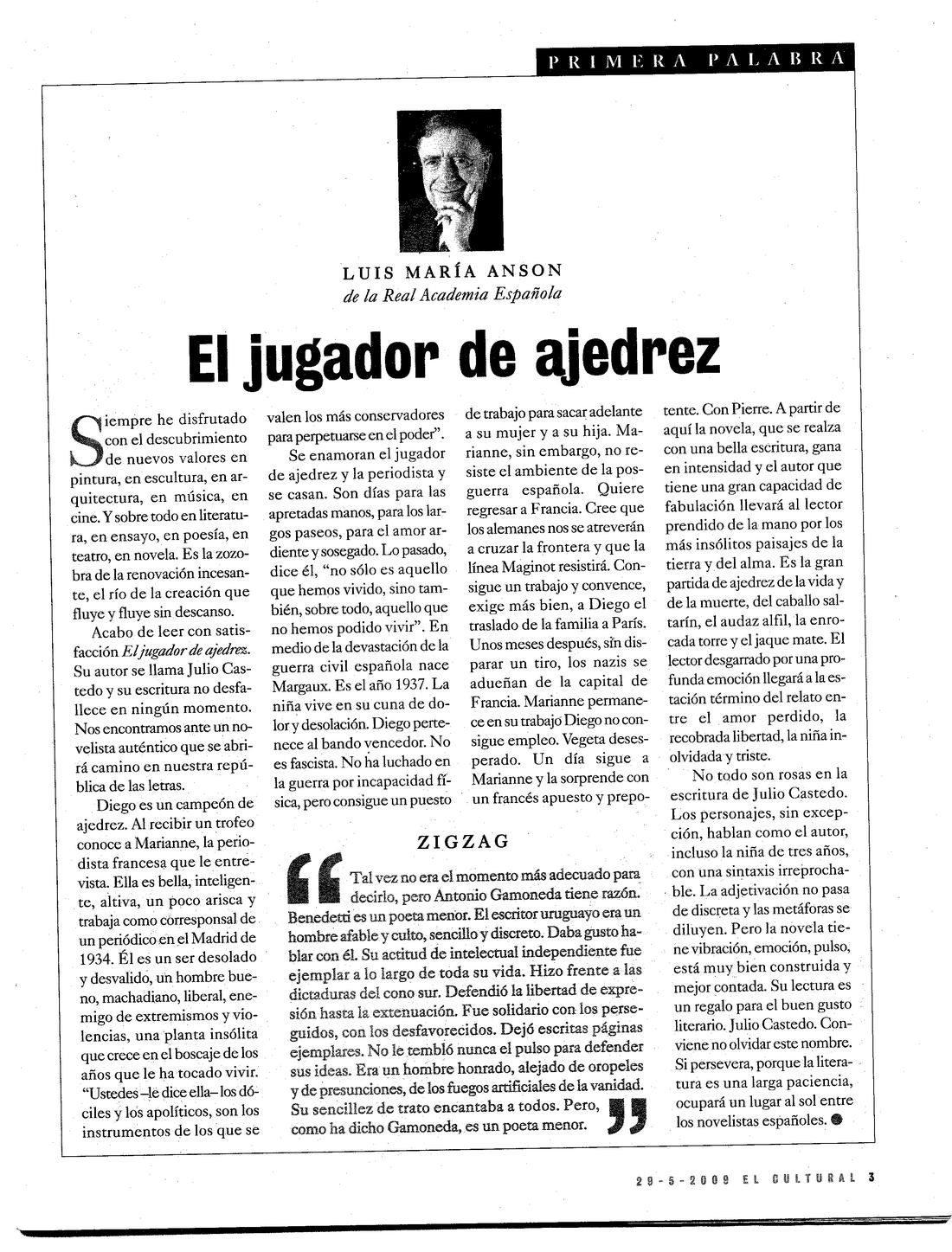
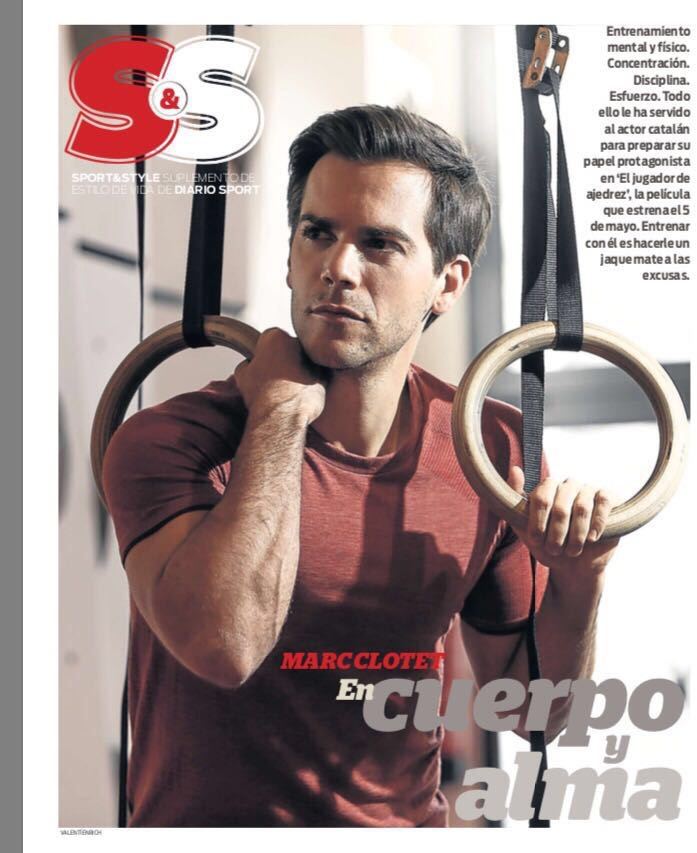
A selection of features, reviews and coverage published in magazines and newspapers from several countries.
How the film was made
Four documentary featurettes on the making of the film, topic by topic.
The story
From Julio Castedo's novel to the wartime Spain and Europe the film portrays.
The adaptation
From page to screen: the screenplay, the characters, and the choices behind adapting the novel.
The director
Luis Oliveros discusses his vision for the story and the shoot in Budapest and Gran Canaria.
Production and sets
The art direction and production work behind recreating 1930s and '40s Europe.
Gallery
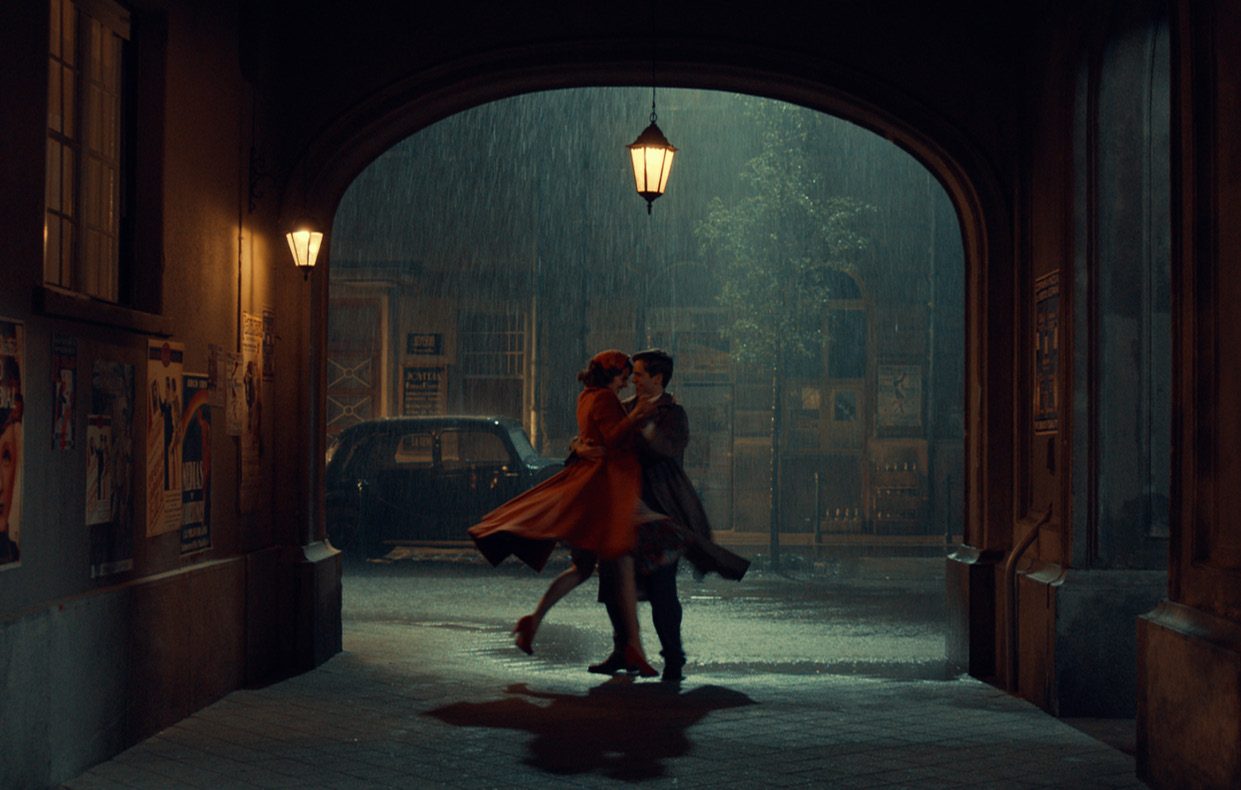
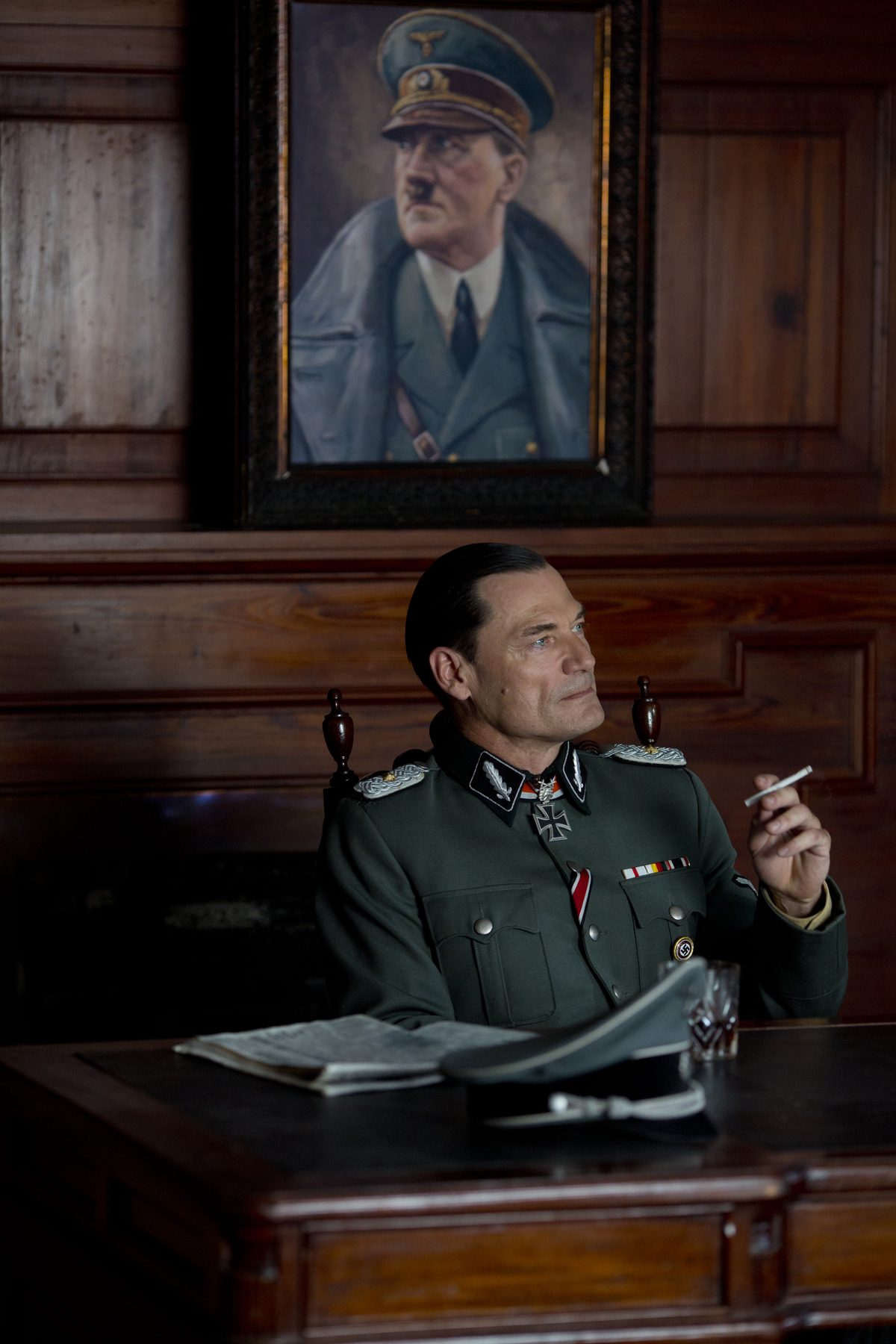
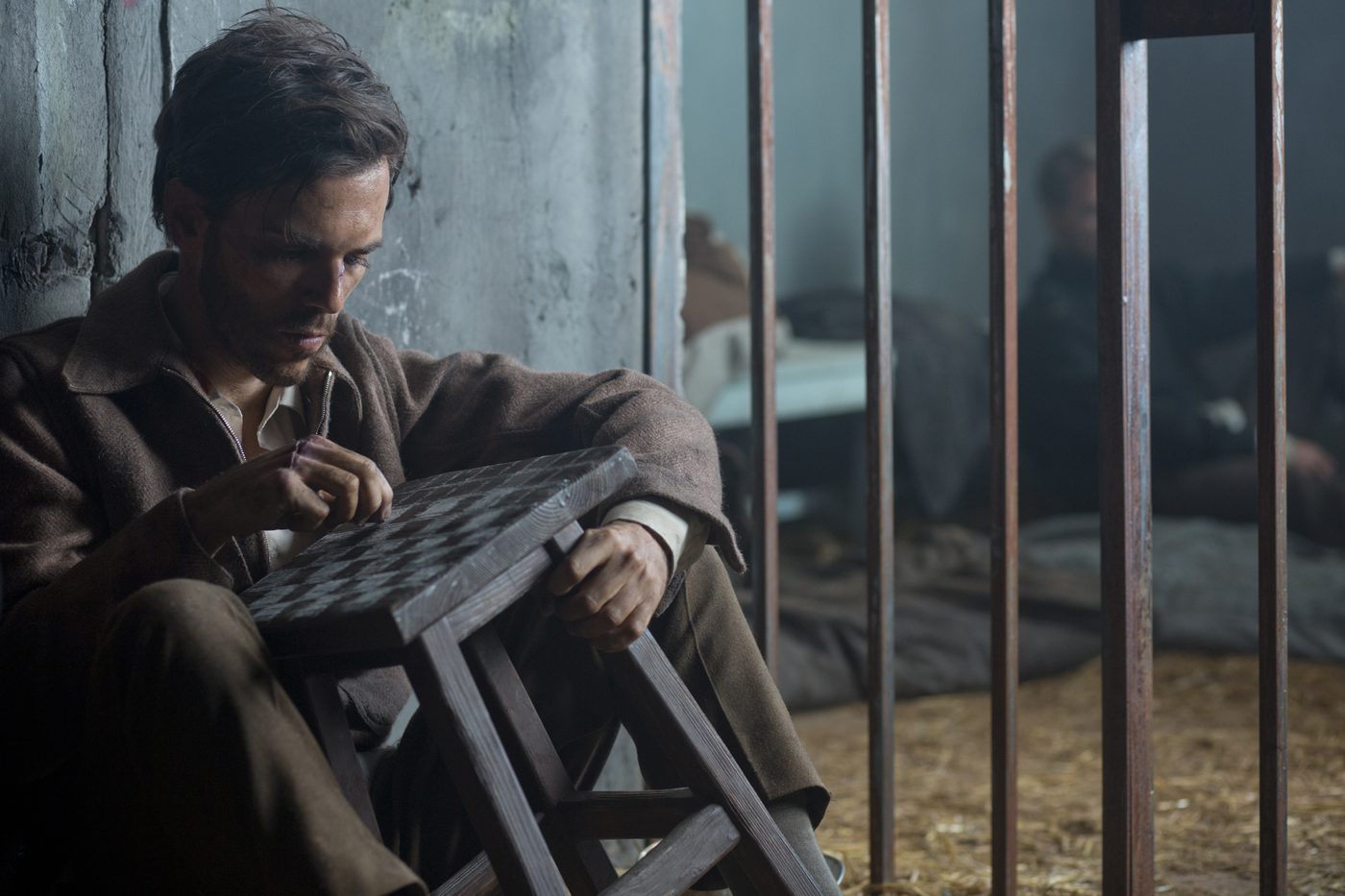
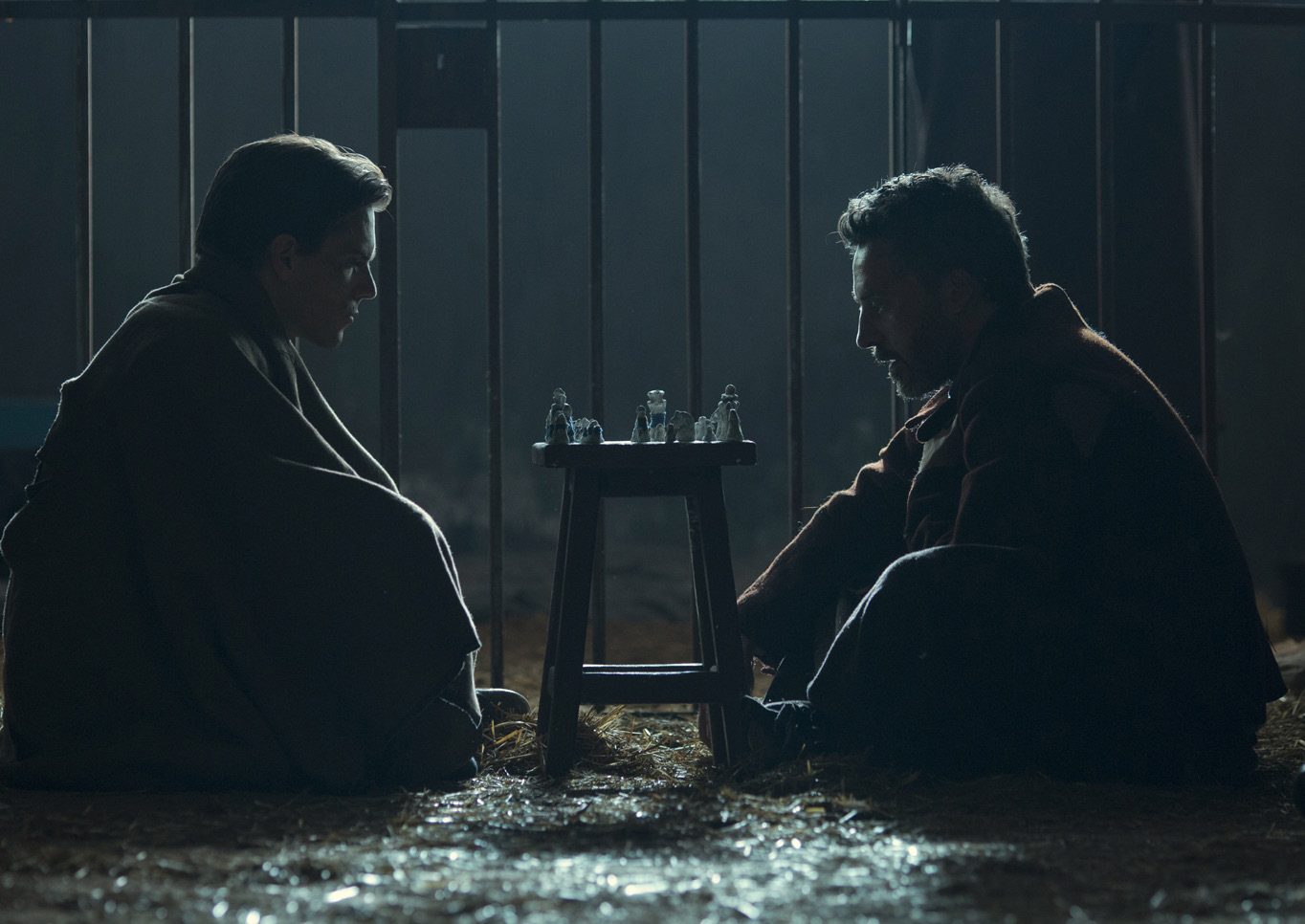
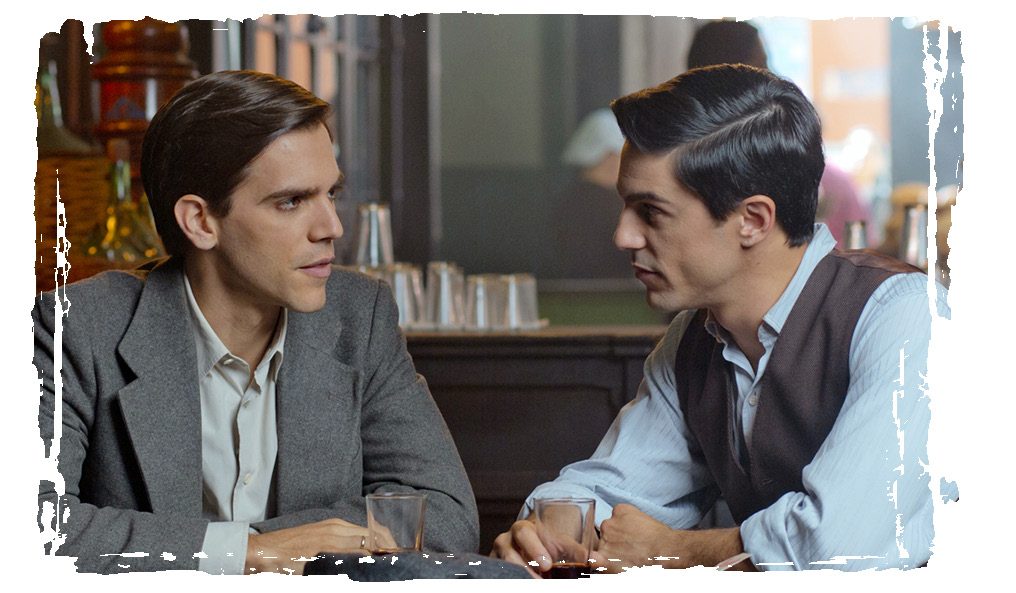
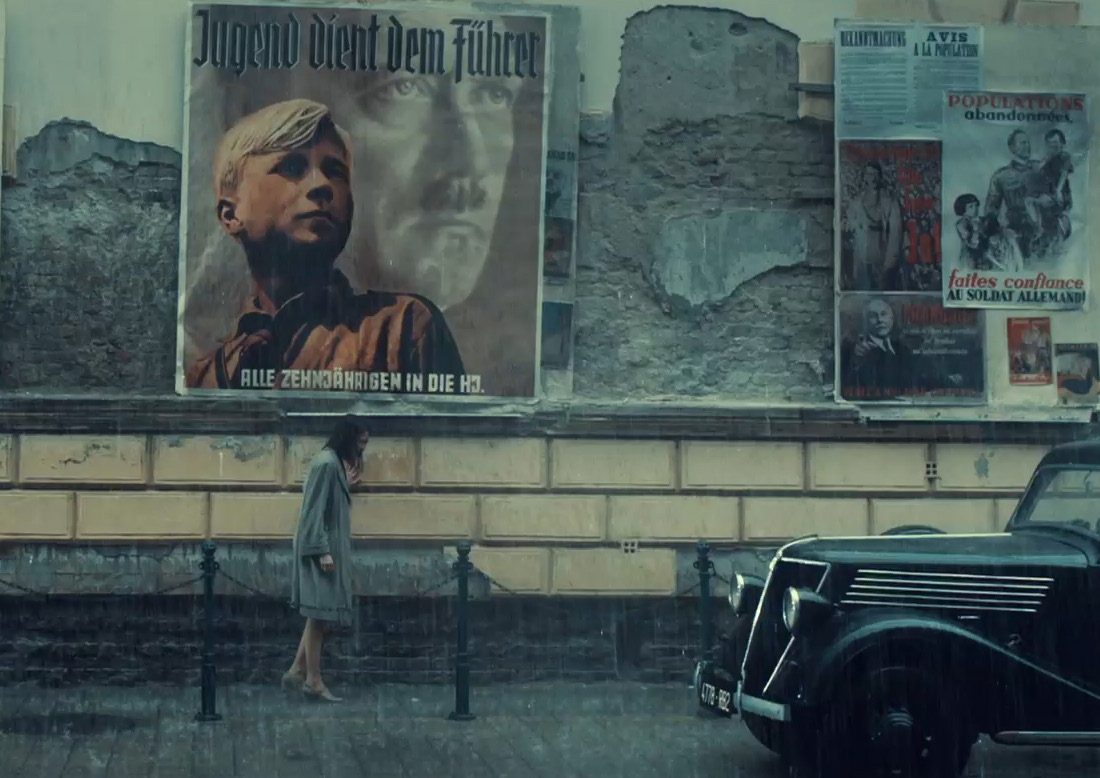
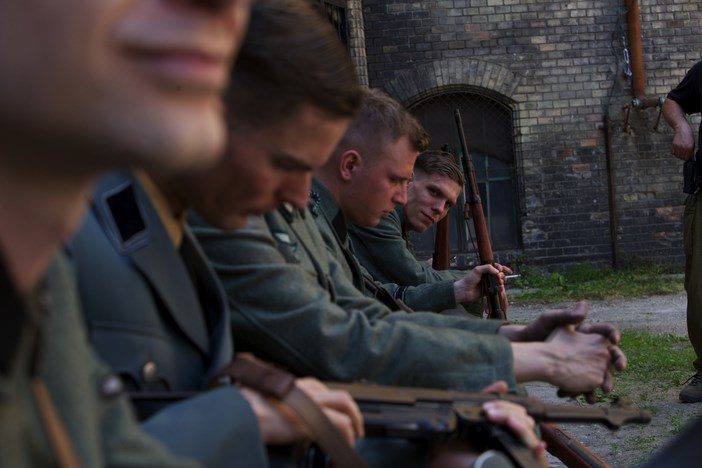
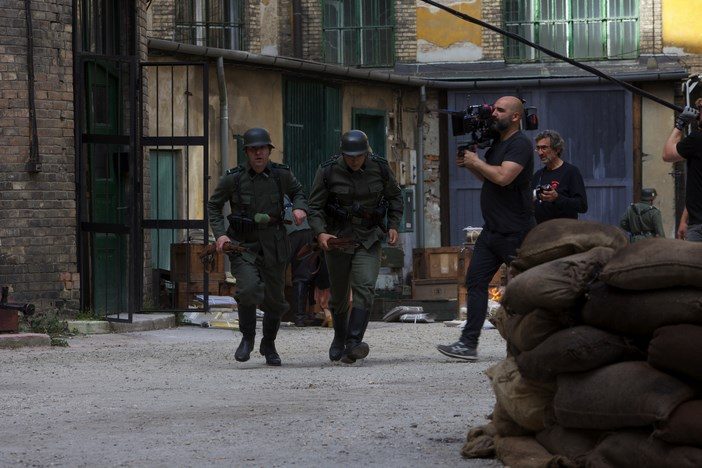
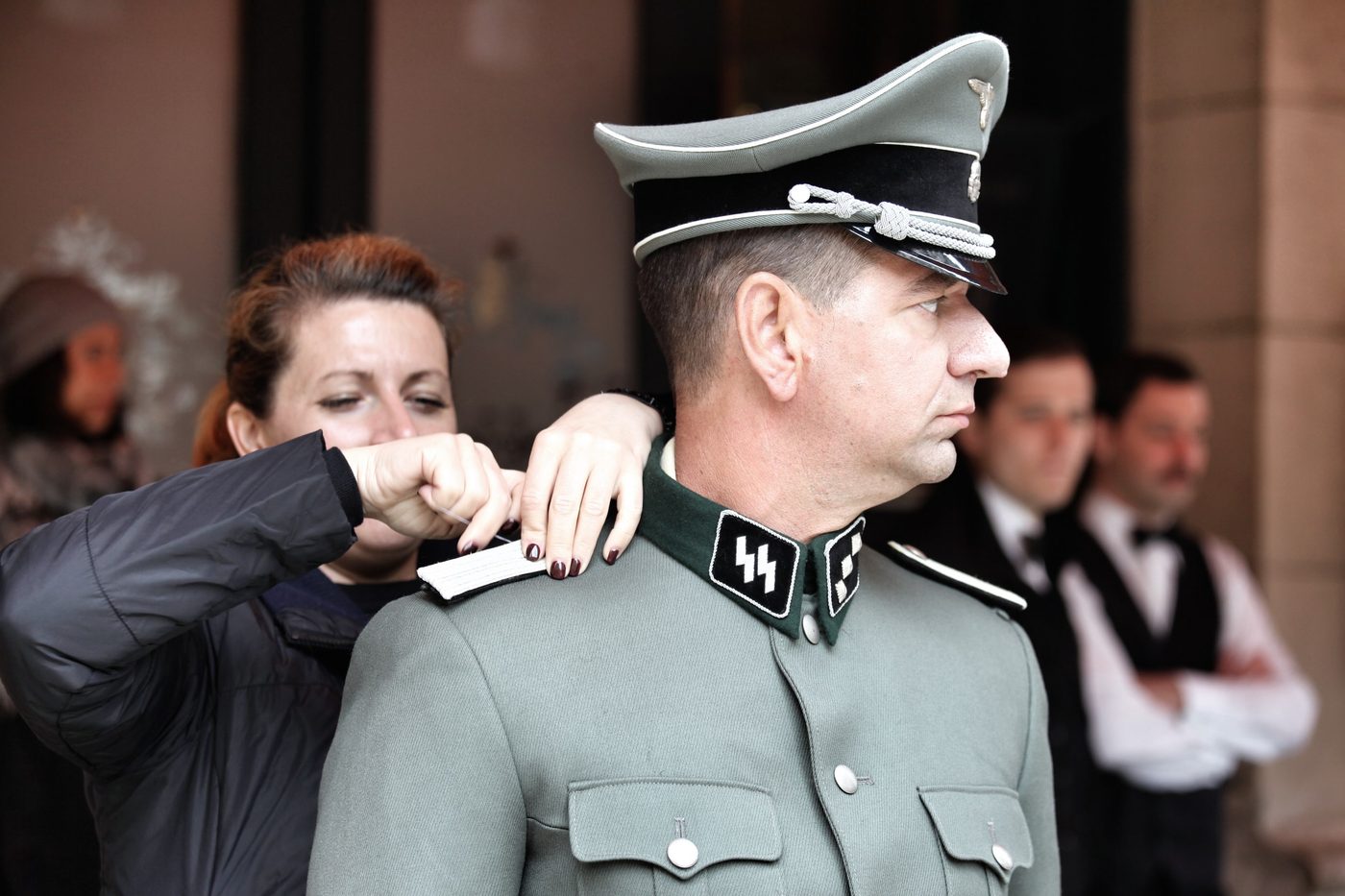
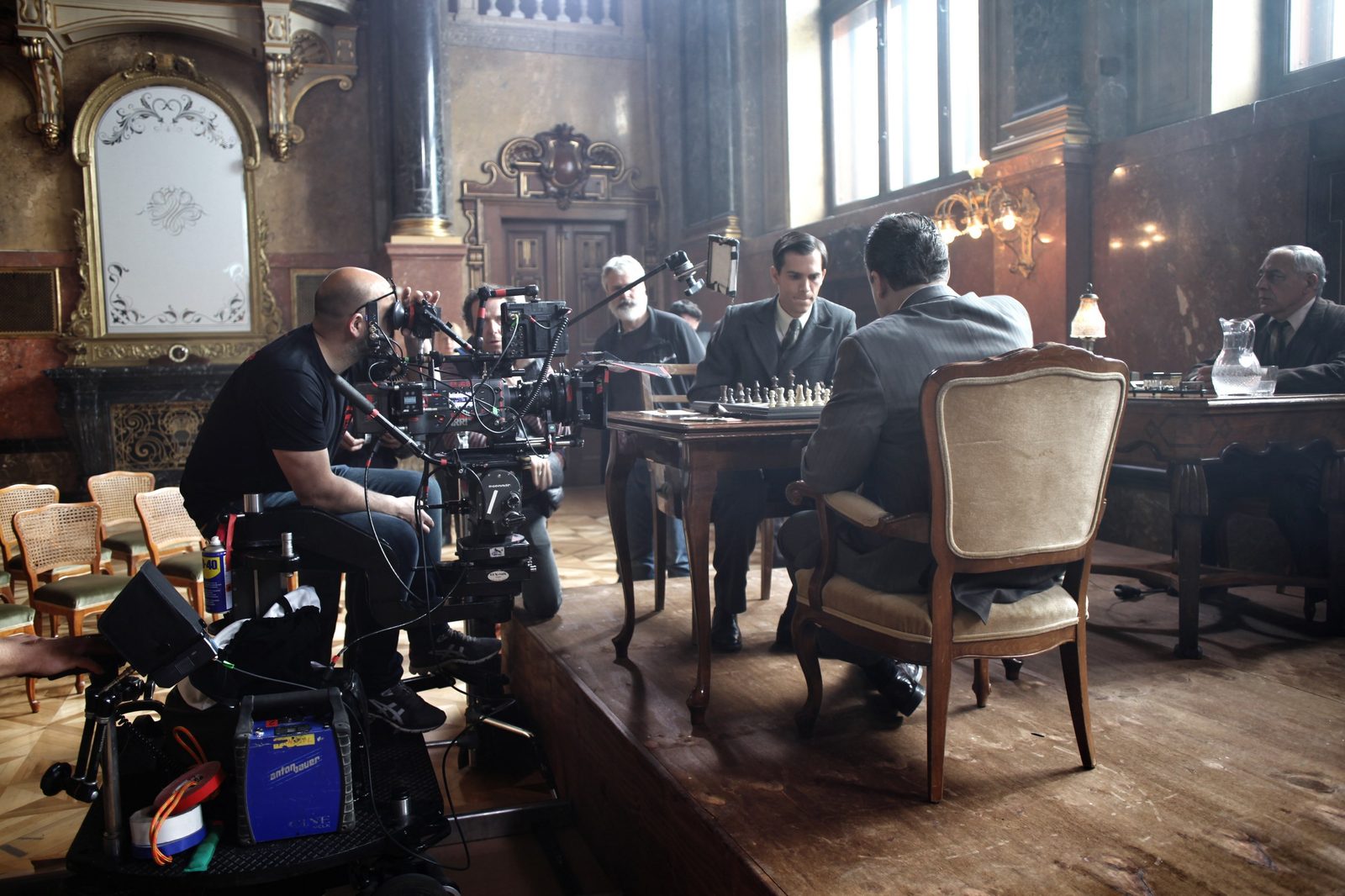
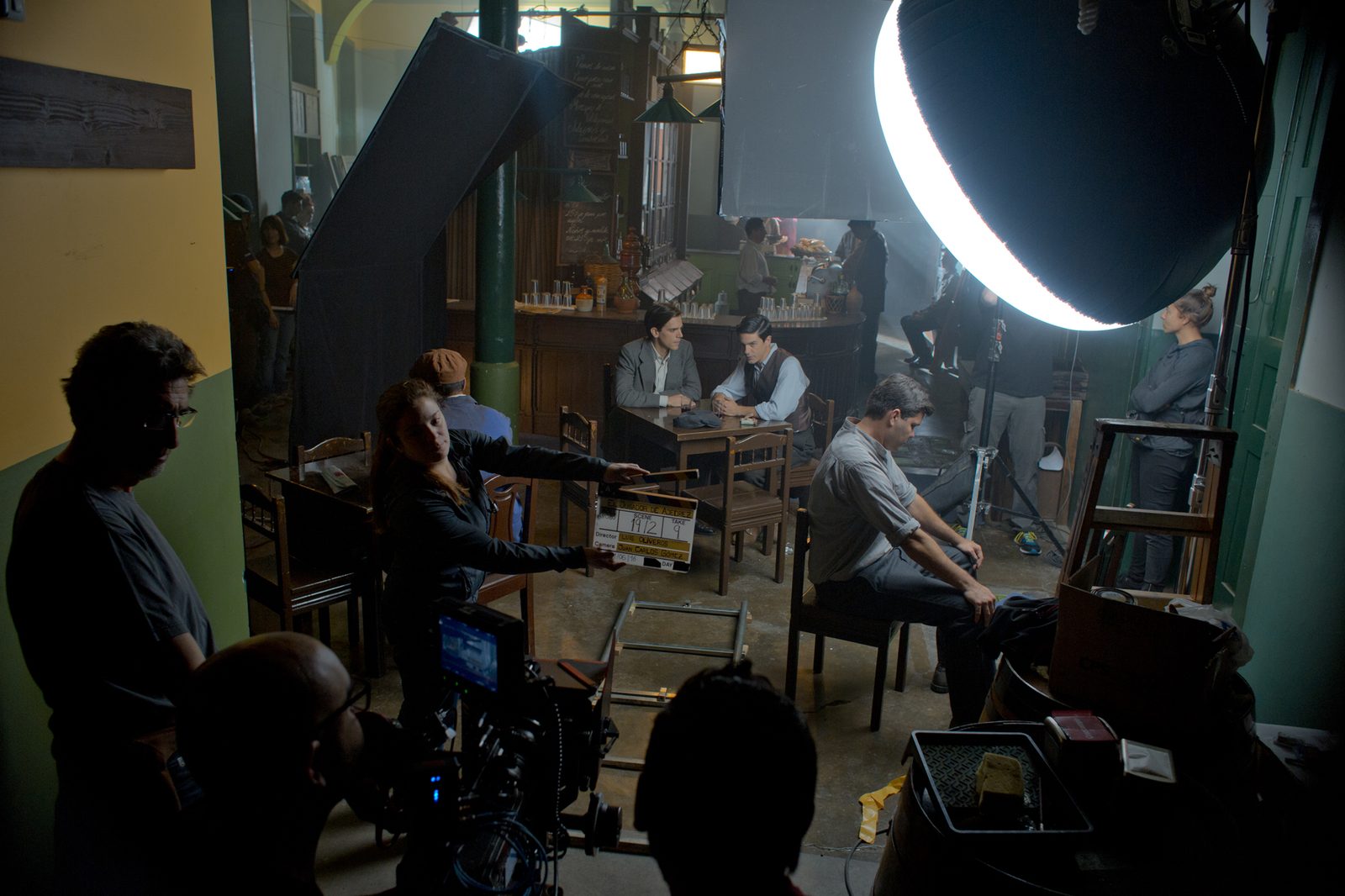
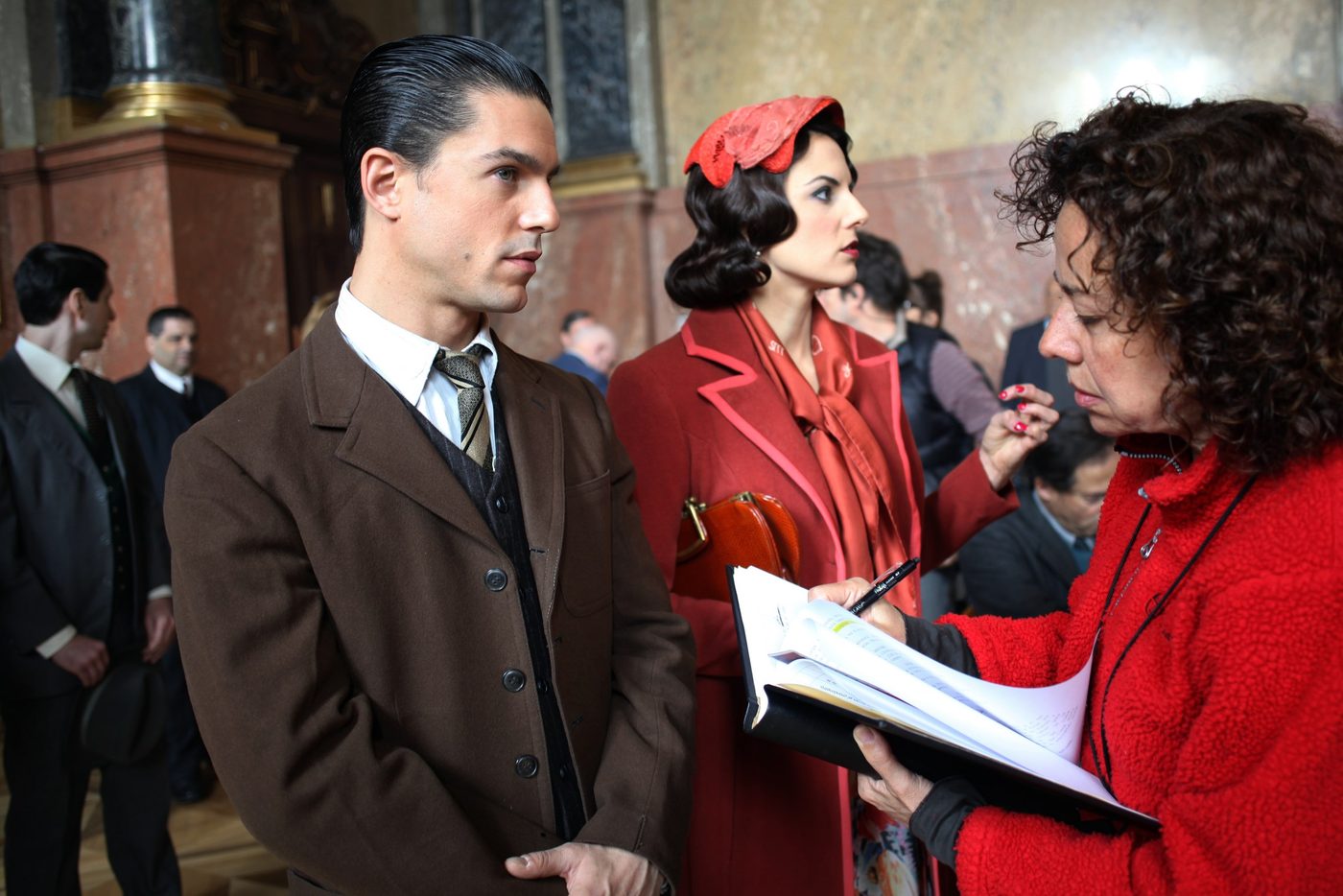
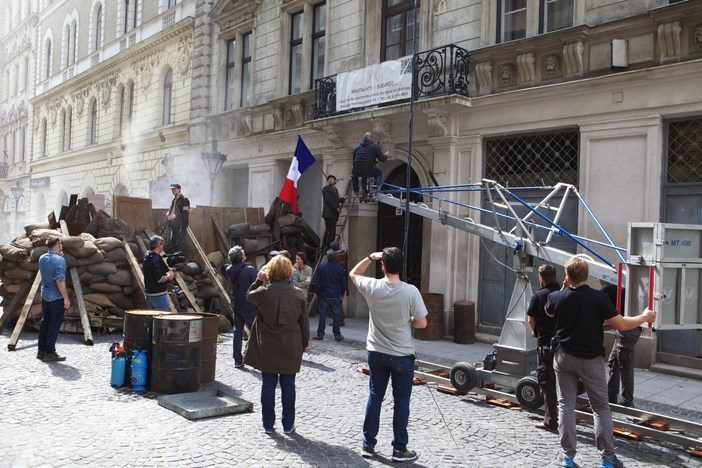
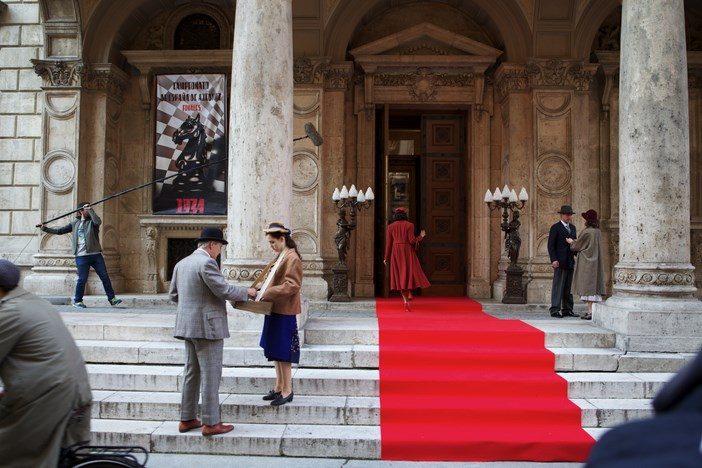
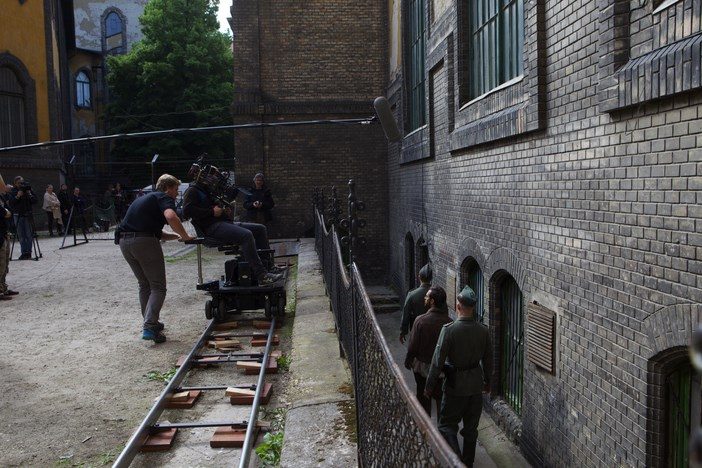
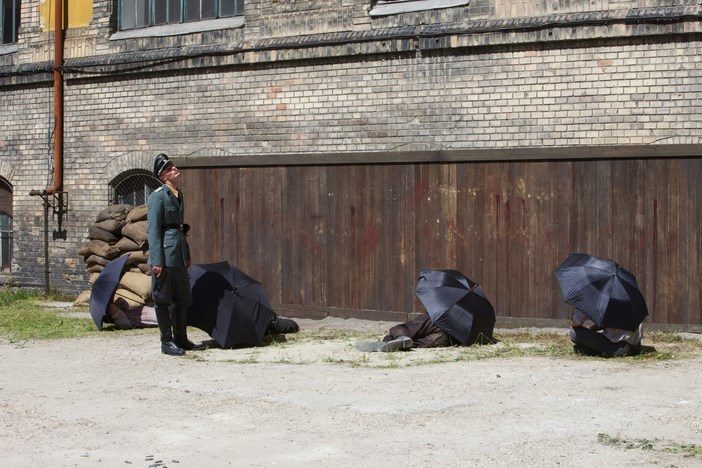
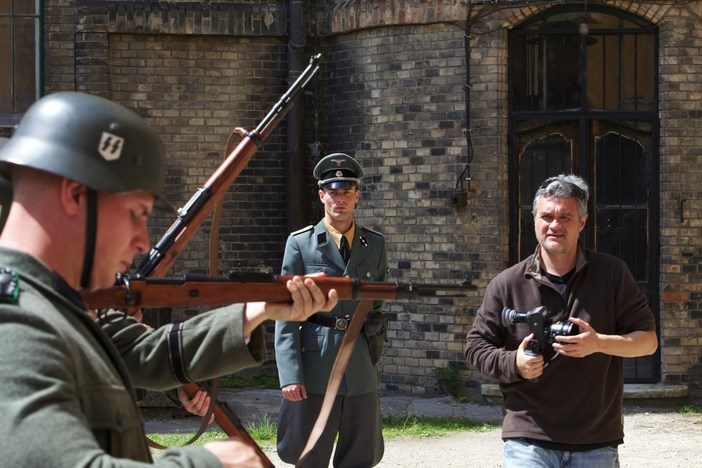
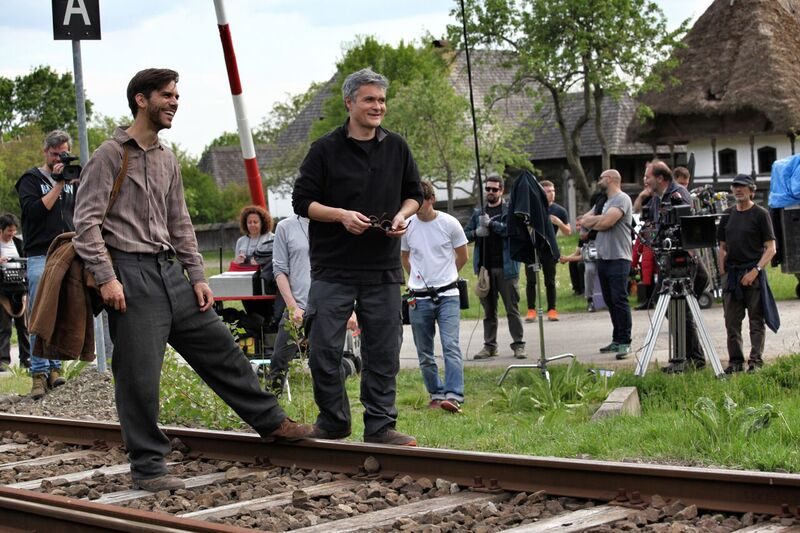
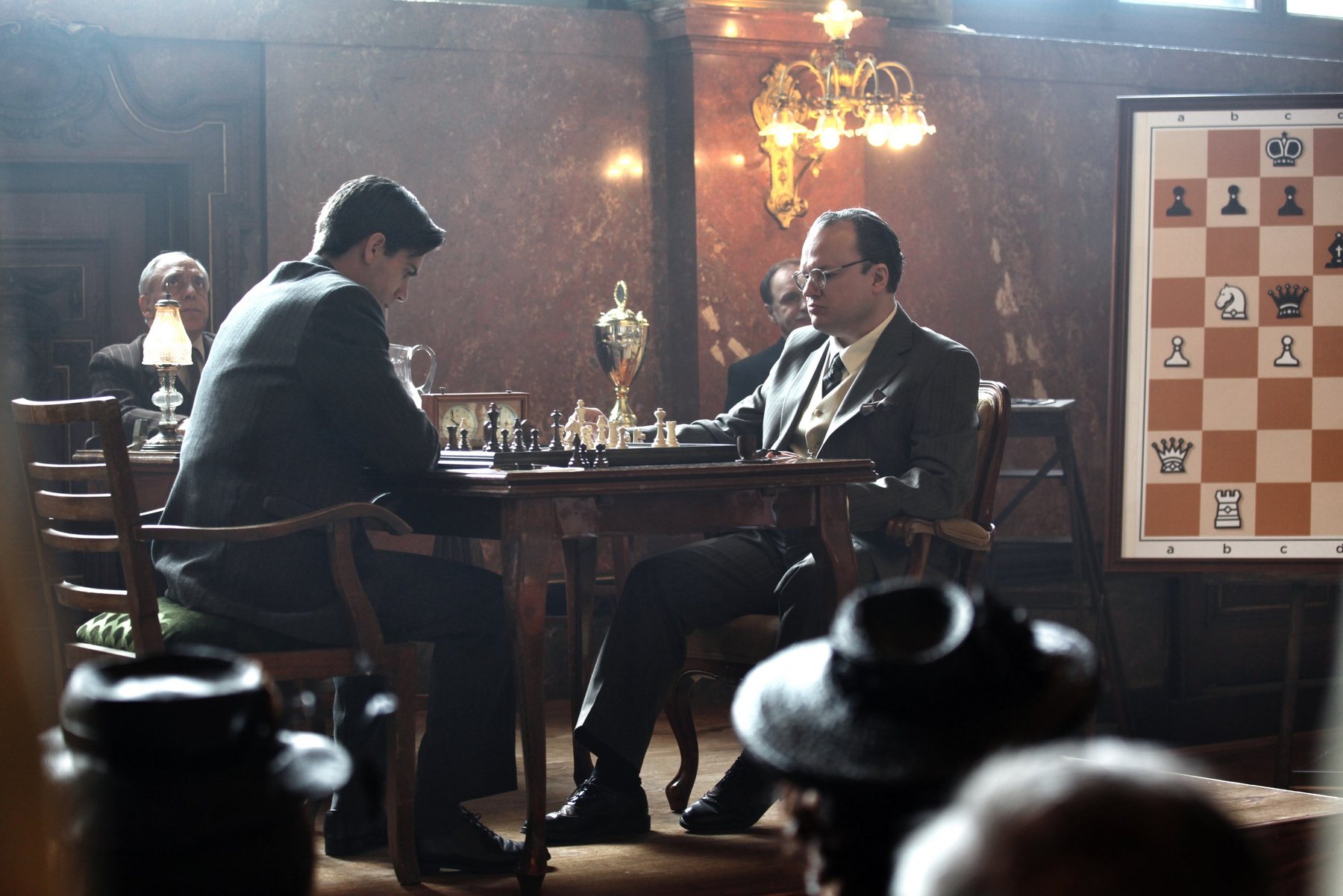
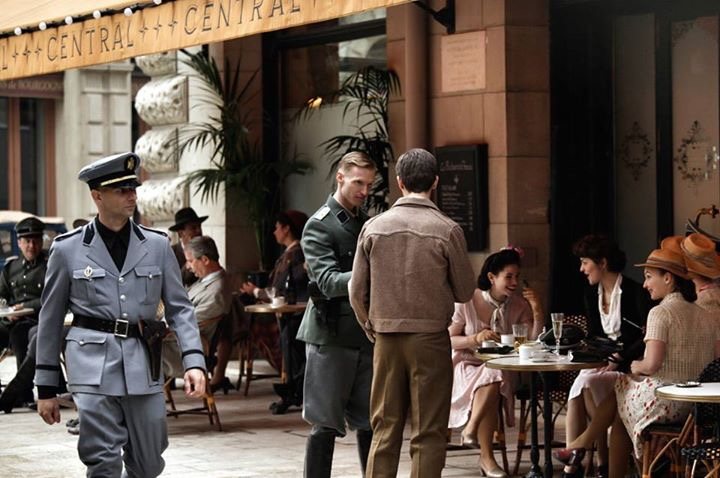
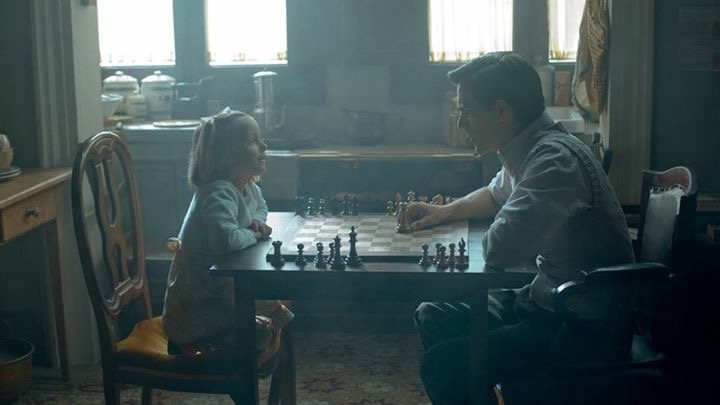
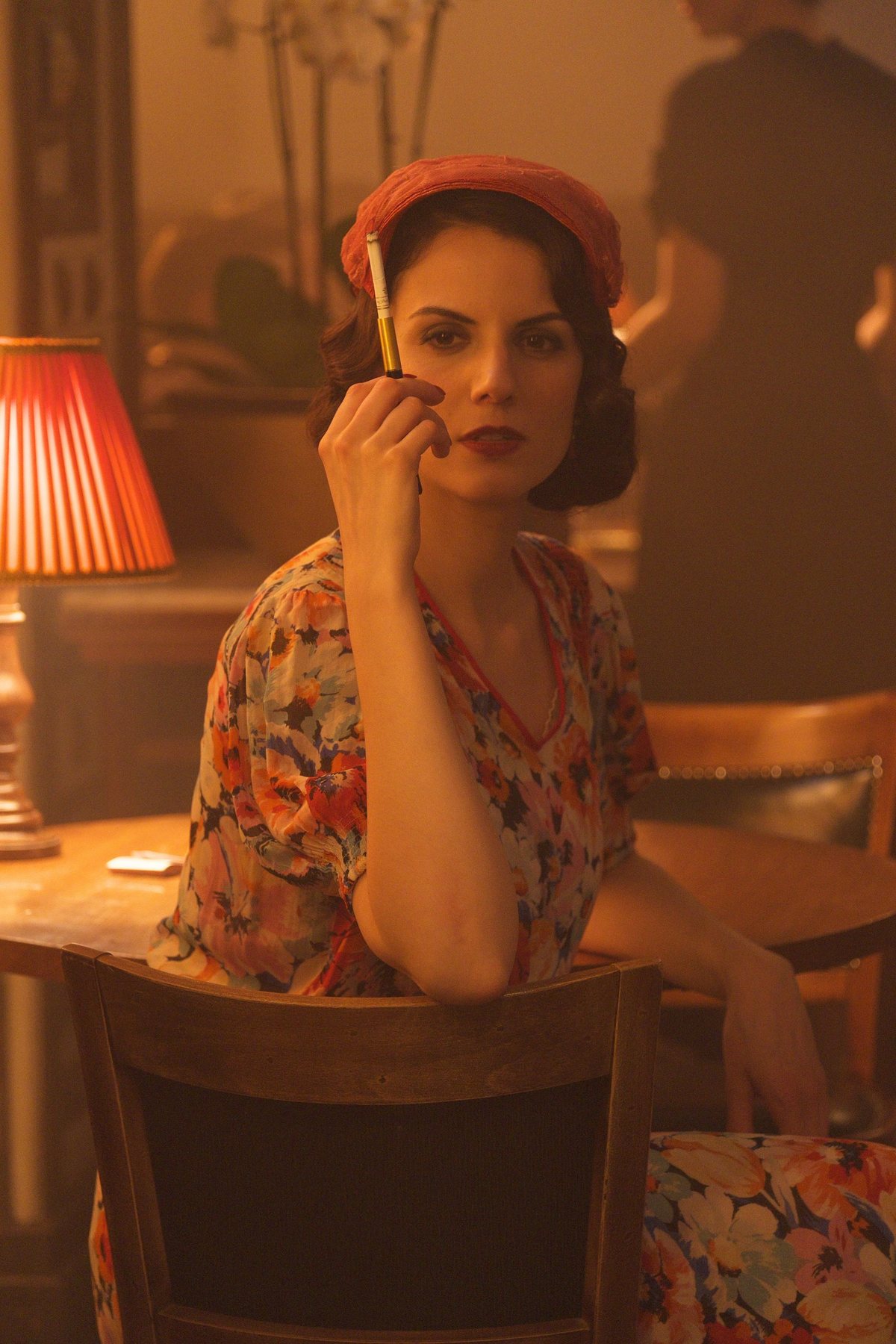
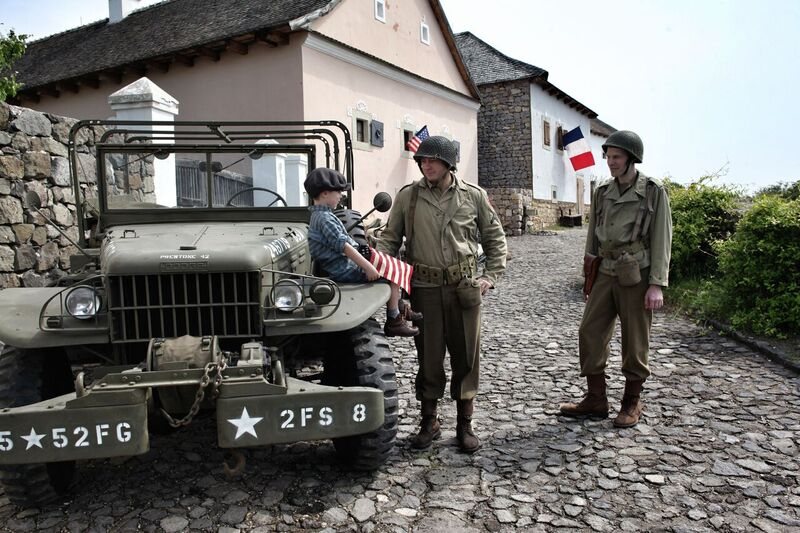
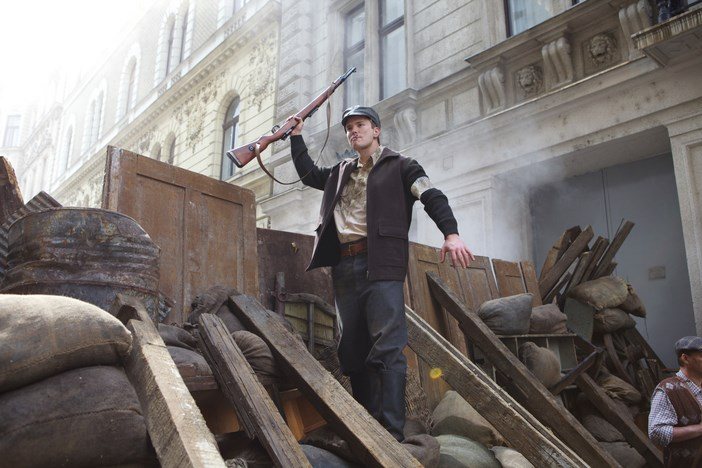
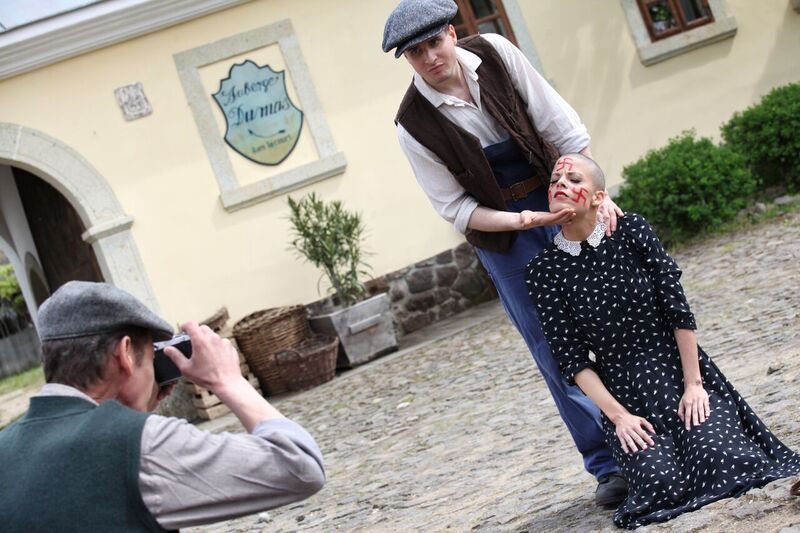
Stills and behind-the-scenes images. Click to enlarge.



Film and Education
Free teaching material for using the film in the classroom.
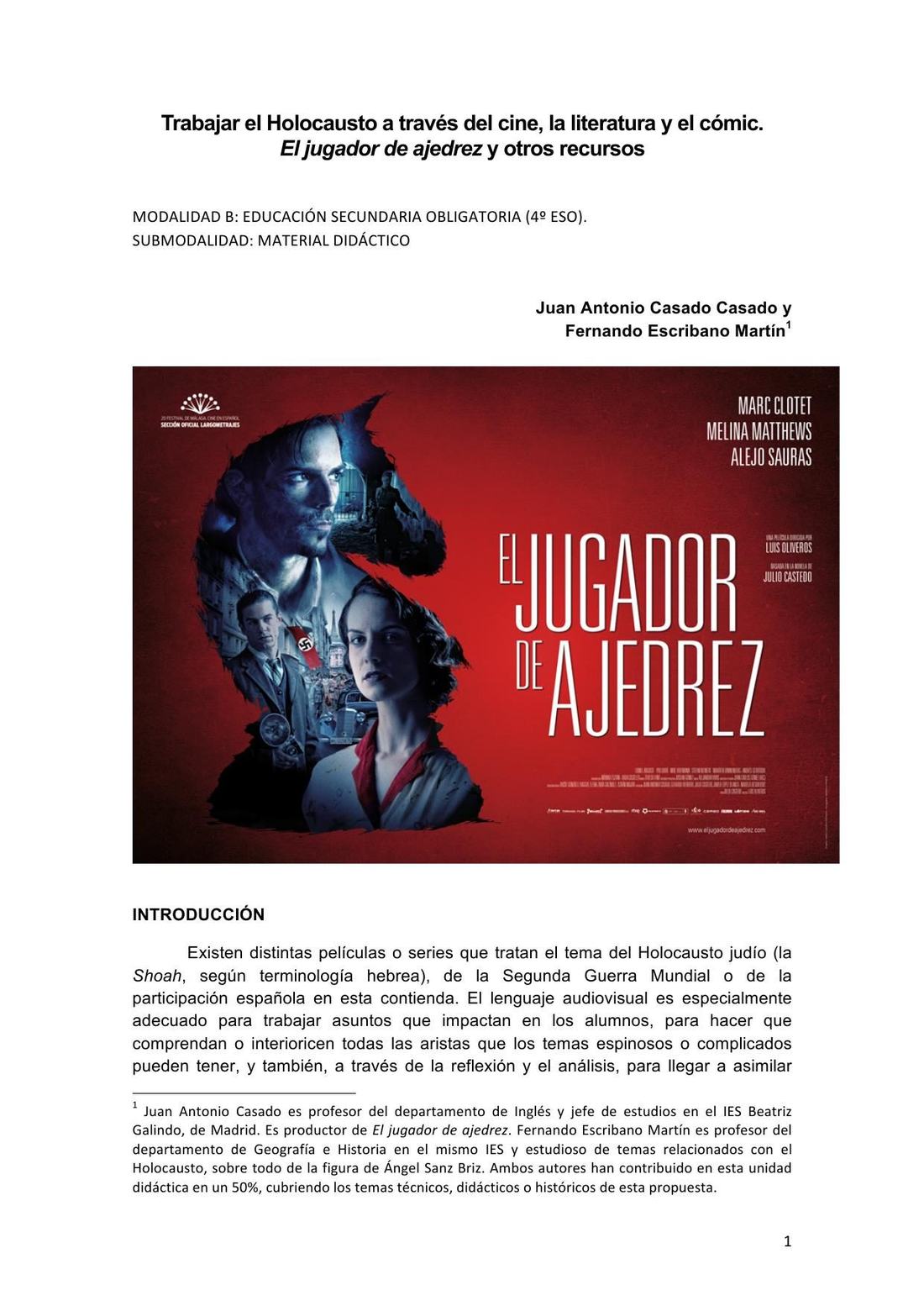
Exploring the Holocaust through film, literature and comics
The unit uses "The Chess Player" as a gateway for students to understand the end of the Spanish Civil War, the involvement of Spanish Republicans in the Second World War, the German occupation of France and the Holocaust — and how, even in the worst circumstances, hope and coexistence find a way through.
It answers the goals set by Spanish educational legislation: education in tolerance and freedom, training for peace and human rights, and respect for cultural diversity. The material has already been used at IES Beatriz Galindo, IES Joaquín Turina and Colegio Retiro in Madrid, with screenings of the film followed by classroom discussion.
"Chess brings you order, gives you structure, helps you rise again: it's a lifeline"
The magazine of the Fundación del Cine Iberoamericano devoted an article to the film's teaching potential, written by Fernando Escribano Martín.
Chess is shown as a great tool for training and growth; it is both an x-ray and a battlefield, where two people face off through strategy, pride, knowledge and daring.
Platino Educa, magazine of the Fundación del Cine Iberoamericano